

Whether you’re a newbie gardener or you know what you’re doing, chances are you’re Googling “why is my tomato plant sad” at least once a week. Personally I’ve googled that so many times I can’t even count. Gardening has this whole “calming” vibe to it, it is supposed to be relaxing or meditative or something. In reality? It is just a hot mess. Plants wilt for no reason. Pests show up like they were invited. Weeds invade like they paid for rent. The watering schedule? I am either flooding everything or forgetting about it for three days. So if there is at least one way out there that’ll help keep something alive a little longer, or help me not look like I just threw a handful of seeds on dirt and was just hoping for the best, then I’m all in.
So here are 15 hacks you can try this summer to keep your garden from being a total train wreck, or at least make it look like it was under control.
1. Plant Herbs

To be honest, herbs are kind of like the multitaskers of the plant kingdom. Not only do they smell nice and give you vague cooking recognition, but a lot of them also deter pests. Some examples are bay leaves (that’s right, the same ones that you rub in your hand and smell while cooking), lemon balm, thyme, fennel- they all basically annoy the flies and aphids and mosquitoes enough to keep them moving. So shove a few in with the flowers or veggie garden. As an added bonus, they can also get used, which is more than I can say for 50% of things I plant. Coffee Grounds
2. Coffee Grounds

If you drink coffee and hate bugs, you are in luck. Used coffee grounds—yes, that waste you always just throw away—are a natural pest control. Just dry them out and sprinkle them around your plantings. Your yard will smell nice, bugs don’t like it, and it’s essentially free.
3. Coffee Grounds (Again)

Yes, we are going back to this one because coffee grounds are not only pest control. They are also a natural fertilizer. They are rich in nitrogen or whatever fancy science word you want to use. So you are scaring bugs away, and feeding your plants. You will never throw away coffee grounds again. Or you will—but you will feel bad about it.
4. Distilled Vinegar
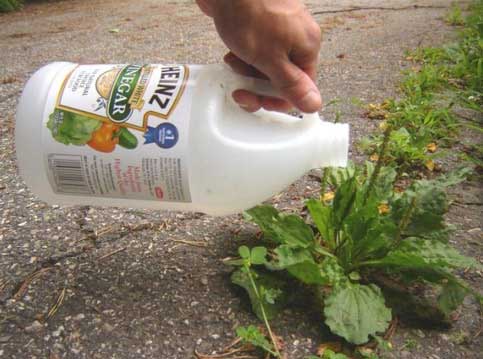
If weeds are taking over your yard—and they most likely are—and you don’t want to dose your yard with unidentified chemicals, use plain old vinegar. Pour some right on the weeds. It will dry them out, without destroying the other plants if you don’t go overboard. This is obviously not surgical precision, but it beats spraying Roundup fumes in your face.
5. Start A Composter

This one is more of a commitment, but doable. A compost bin is just that. You take veggie scraps, coffee grounds, eggs shells, all reproductive tissue you would throw away—and over time it decomposes into nutrient rich, nasty looking but very effective fertilizer. It seems like magic, only smells funny, and takes time. Your garden will love it.
6. Eggshells

Egg shells are surprisingly useful. Broken and cast off in your garden, they accomplish two things: firstly they add a little calcium to the soil, and apparently they frighten slugs and other slimy plant killers. The sharp edge? Slugs don’t like them. And your plants benefit from an added nutrient. It’s a win-win and in the process, you feel decidedly homestead-y.
7. DIY Watering Can

Don’t toss out your empty milk jugs or soda bottles just yet. With a few holes punched in the lid of a jug, congratulations, you have a DIY watering can. Large soda bottles are especially good for filling those awkward hanging baskets, too. It’s not beautiful, but it gets the job done and there is something profoundly satisfying about creating tools from trash.
8. Cinnamon

Cinnamon. Not just for toast. It turns out, it has anti-fungal properties, so shaking a little around your plants may prevent mold, rot or random plant diseases from taking over. Plus it smells great. And it’s oddly fun to shake the spice into the dirt like you’re seasoning a flower arrangement salad.
9. Wooden Palettes

Have an old wooden palette tucked away? Probably not—but look behind the garage “just in case.” They’re actually terrific for planting things in neat, organized rows—herbs, veggies, whatever. You can even prop it up vertically, or just keep it flat. There are tutorials online if you’re feeling fancy, but a hack jobs will work also. It’s kind of like an unintentional raised bed.
10. Newspaper

Okay, this one is weird, but just go with me. After you have done your first big weeding job of the spring—ugh—spread a layer of newspaper, damp it, and then cover it with mulch. The newspaper will break down eventually, but in the meantime it will block light for the new weeds so they cannot sprout. It will look weird at first, but once the mulch is settled, you won’t see it at all. The weeds will disappear, however.
11. Wine Bottles

If you have an empty wine bottle or two (and let’s be honest, that’s when, not if), you don’t need to throw those away. Fill one with water, flip it upside down, and stick the neck into your planter. The soil will use the water in the bottle as it dries out, so you basically now have a self-watering system. It’s not pretty or high-tech, but it works. Especially handy if you are out of town for a couple days and forgot all about lining up a plant-sitter.
12. Recycle Cooking Water
If you’ve boiled some pasta or veggies, please don’t pour that water down the drain. After it cools, dump it in your garden instead. It has a bunch of little nutrients from the food you just boiled and your plants will absorb this like a multivitamin. Just don’t salt the water before you dump it. The plants don’t like salt, and they will hold a grudge.
13. Plant Forks

Okay, this one sounds like a joke, but it actually works. If you have tiny seedlings popping up and animals—dogs, squirrels, whatever—are trampling through the area, stick some plastic forks in the ground, prongs up. It will look kind of crazy, but it will create enough of a weird obstacle so that most critters won’t bother it. This is a cheap, harmless, and unbelievably effective way to protect your seedlings.
14. Coffee Filters

Here is one for planters: before you put in the soil, put down a single coffee filter on the bottom of the planter. Yes, that is it! It helps the dirt stay in the pot so it doesn’t wash out the drainage hole every time you water it, but it also lets the water drain. It also helps keep moisture longer for the soil which your plants will appreciate—even if they don’t tell you.
15. Epsom Salt
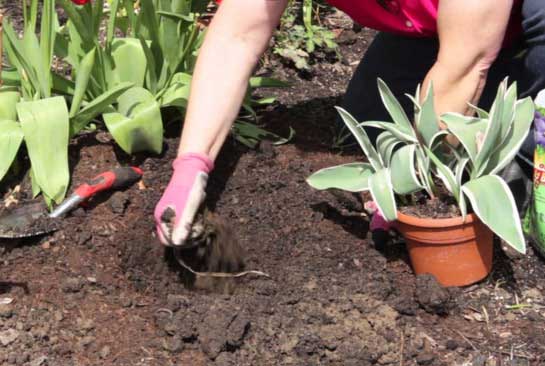
Have you ever moved a plant and watched it totally collapse like you just ruined its life? Yep, transplant shock is real. One trick: before planting toss a tablespoon of Epsom salt into the bottom of the new hole and cover it with a little dirt so it doesn’t touch the roots directly. Apparently, this helps ease the process so the plant has some nutrients as it settles. Think of this as a housewarming gift for plants that hate change.


