

Extension cords are one of those unsexy items in our house we think are pretty innocent. However, they could potentially create a safety hazard if we’re not careful. Most of us have a few kicking around the house, probably tied up in a drawer or behind a couch. They are powering the devices we can’t live without! Often, near the holidays, we see homes packed to the brim with extension cords and power strips. This maximizes the running of their lights, decorations, and heaters.
Let us be clear: power strips and extension cords are not indestructible. They are not for heavy-duty, long-term use. Misusing and mismanaging power strips and extension cords can lead to fire hazards. One fire department is speaking out about this issue and they want to get the word out. The Umatilla County Fire District #1, from Oregon, recently put out an important post on Facebook discussing overloads related to power strips. They highlight the number one mistake people need to stop making.
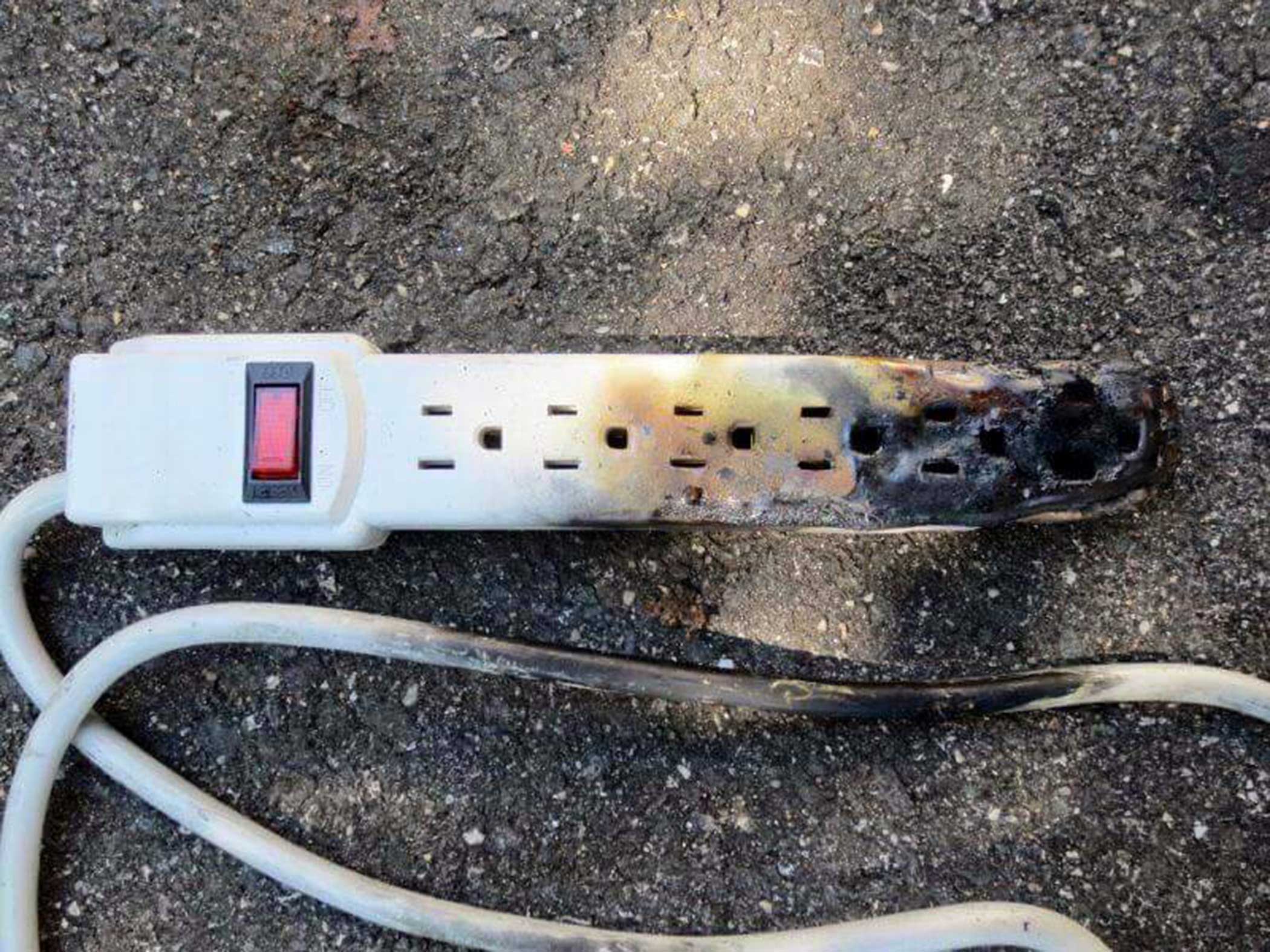
Let’s get right to it, do not plug a space heater into a power strip! That is the number one take away from their warning, and rightly so. Space heaters use a considerable amount of power, especially larger space heater when they are on high heat settings. That type of energy load is just too much for a typical power strip or extension cord to withstand safely. When a power strip or extension cord is overloaded, it can overheat, melt, or even catch fire. Sadly, this type of event happens more often than most people think.
It is crucial to pay attention to this, especially during the winter months. During winter, people use space heaters often. While plugging a space heater into a power strip across the room seems convenient, it can be a fire risk. Using an extension cord to put a heater exactly where you want it can also be dangerous. The safest way to use a space heater is to plug it directly into a wall outlet. It should not be plugged into a power strip or an extension cord. Ensure no other devices are plugged into the same outlet. Plugging directly into a wall outlet allows the heater to receive the proper power. This avoids stressing the wiring and reduces the risk of overheating.
And it’s not just the plug. If you have a space heater, then you should remember a few other points of safety. First, never leave a space heater unattended. It may seem like no big deal to walk out of the room while it’s running. However, that’s often when the problems start to occur. Unplug the heater if you’ll be unable to be in the room for a while. It’s just not worth the risk.
Be sure to place your heater a safe distance from anything that could catch fire. This includes furniture, curtains, blankets, pillows, rugs… anything that could catch fire if it gets too hot. Most space heater manufacturers will recommend a minimum of three feet away. This detail can make all the difference.
The weather is getting colder, and people are pulling out their space heaters. We just wanted to remind you that you…
Posted by Umatilla County Fire District #1 on Thursday, November 30, 2017
This all may sound basic or redundant—they’re things we’ve heard before. However, a quick scroll through any fire department’s social media page shows how often fires start from situations like this. Extension cords being overloaded, power strips not used properly, and space heaters plugged in where they shouldn’t be. These issues happen quickly and the consequences can be devastating.
You can view the original post and safety reminder from Umatilla County Fire District #1 on their Facebook page. In this post, they describe the issue and include a photo that makes the point.
So, if you’re using a space heater this winter, or if you know someone who is, take a few seconds to check them. It’s a tiny habit change but could literally save lives. While you are at it, share this information with friends, neighbors, or family members.


