
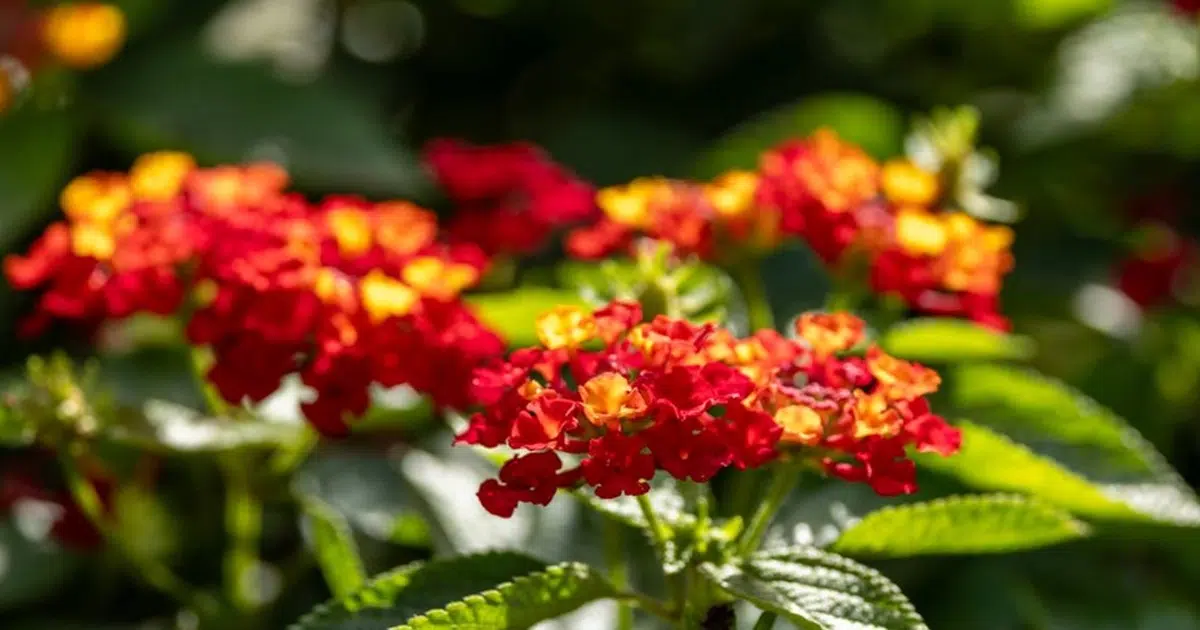
Gardening has never been easier. While many of us take pride in our ability to nurture even the most finicky houseplants, others struggle to coax blooms from seemingly unforgiving shrubs. One such shrub is lantana. Because it’s difficult to kill, many people believe that lantana is a low-maintenance option. But they are also shocked to find that lantana can fail to produce the vibrant blooms expected from it. Based upon my personal experiences and observations of lantana planted in containers and in-ground beds, a few simple adjustments can yield significant results.
And the good news? Those adjustments do not require expensive fertilizers, nor should they require any complicated gardening techniques. On the contrary, many of the most common errors occur when we attempt to “over-garden.”
Provide It with More Direct Sunlight Than You Assume It Requires
If I had to identify one single factor causing poor performance among lantanas, I would say it is insufficient sunlight.
As previously mentioned, lantanas love sunlight. As a general rule, the greater amount of direct sunlight they receive, the better the lantana will typically perform in terms of blooming. For example, although a lantana receiving only 2-3 hours of early morning sun will likely thrive, it is unlikely to provide the same level of color that it could produce if placed in a full-sun area for most of each day. Simply by relocating a lantana from an area that receives partial shade to one that receives full sun, I’ve seen lantana increase its flower production nearly double. This is perhaps one of the simplest remedies available to correct poor performance.

Do Not Over-Water Your Plant
Most gardeners tend to initially respond to a failing plant by increasing its frequency of watering. Although water is essential for plant health and survival, established lantanas prefer slightly dry soil. One lesson I’ve learned the hard way is that consistently moist soil leads to excessive vegetative growth (leaves) and reduced floral output. Therefore, these plants seem to do best when allowed to slightly dry between waterings.
During periods of extreme heat, I continue to thoroughly water my lantanas. However, I now avoid maintaining continuously wet soil. The lantanas appear to reward this practice by producing significantly more blooms.
Remove Old Blooms to Keep Flowers Coming
While providing optimal growing conditions for your lantanas will encourage them to produce flowers, deadheading can also aid in stimulating additional blooms. Removing spent flower clusters forces the plant to allocate energy toward creating new flowers rather than developing seed pods. Deadheading does not create a miraculous response; however, it certainly creates noticeable improvement.
In addition to deadheading, I remove the wilted portions of foliage as needed. After finishing this task, I use a pair of clippers while watering to cut away any faded flower clusters. This process requires no longer than 5 minutes per week, and the end result is a clean appearance. Trust me on this; this is one of those little tasks that produces more results than expected.

Be Cautious When Using Fertilizers
At first glance, using too much fertilizer might seem like an absurd way to reduce flowering. Many fertilizers contain large amounts of nitrogen, which stimulates leaf growth. Nitrogen promotes vegetative growth, which is beneficial for hedges and other ornamental screens. Nitrogen inhibits floral development, which is counterproductive for anyone who hopes to see their lantanas produce numerous flowers throughout the year.
Based upon my own experiences with lantana, I have found that they do not require high-nitrogen feedings. A balanced fertilizer applied lightly during the growing season is sufficient. Each time I have overfertilized my lantana, I have produced masses of green stem tissue and fewer flowers.


