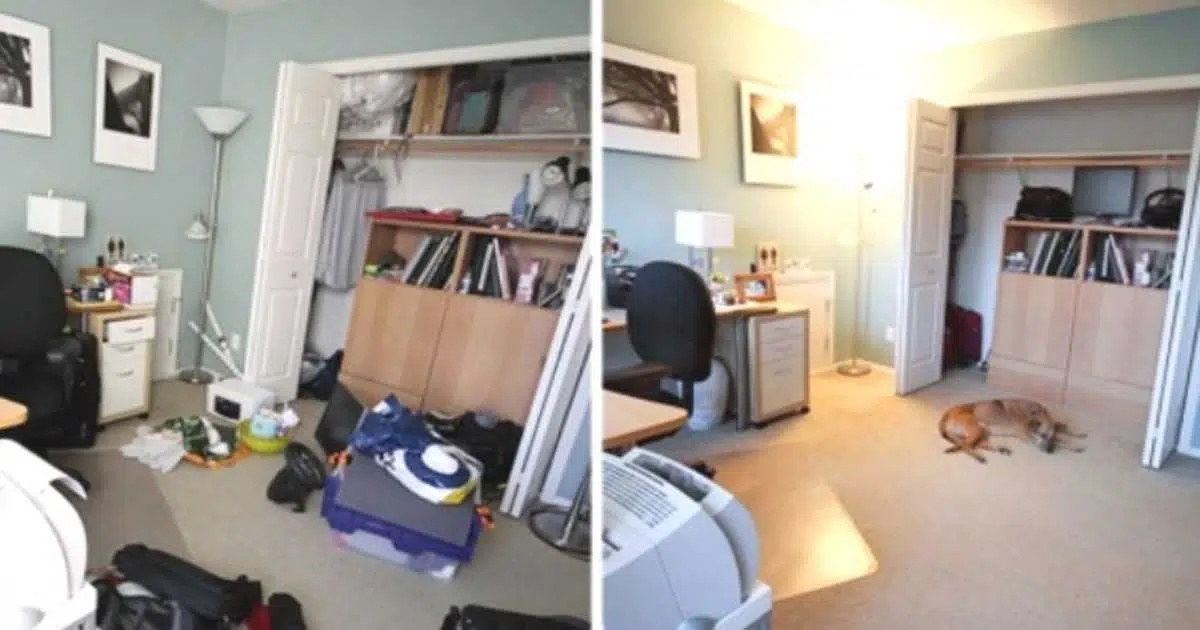
The toy boxes in my family’s living room used to be an ongoing battle; every few days, we’d have a “toy explosion” that left us scrambling to clean up the mess. To fight the war against toys, I tried several different solutions; canvas bins, beautiful woven baskets, and labeled drawers. While each of these options did help for a little while, the mess would always eventually creep back in.
I think I’ve finally found a solution that works for good; clear plastic containers. I know they’re not the prettiest option, but when it comes to managing toys, they are the perfect solution. If you want to take back your living room floor from the constant nagging of toys and make cleaning easier, here is why you should use clear plastic containers to store your children’s toys.
Why Toys Are Hard to Store Properly
It may seem silly, but toys are particularly difficult to store. This is because toys vary greatly in size and shape. Everything from large plastic vehicles to small puzzle pieces that reproduce as fast as gremlins are part of our children’s toy collections. Additionally, the frequency of play varies; some toys are played with multiple times a day, while other toys are only pulled out occasionally. Finally, the composition of a child’s toy collection changes rapidly.
When you can’t see what’s in a container, children either lose track of what they have or dump everything out to find one item. I’m guilty of the latter myself; I’ve spent hours sifting through piles of dumped toys, only to have to do it again a short time later. Fabric bins are aesthetically pleasing until they turn into mysterious holes. Furthermore, cardboard boxes rarely last a week in my household.
Visibility Changes How Children Play
Something has changed since I began using clear plastic containers to store toys; my children now can easily identify what they have. Therefore, they no longer ask me where things are located or beg me to empty bins so they can locate specific items. In addition to making it easier for me to maintain order, this new way of storing toys has actually impacted how they play.

My children now simply grab what they want, and sometimes (but not always) put it back in its designated location. I’ve noticed a significant improvement in maintaining order in my home. Organizing toys at home is no longer primarily about controlling toys, but rather about providing children with access to them.
Cleaning Up Is Easier and Less Stressful
Clean-up is also much quicker. Very quickly, in fact. There’s a world of difference between telling your child to “put the Legos away,” versus your child seeing a bin filled with Legos and knowing exactly where to put them. The visible cue is a major factor in making clean-up faster.
Sorting becomes automatic, as children can now match what they have in their hands to what they see in front of them, as opposed to relying on verbal cues. I don’t have to tell my children repeatedly where to put their belongings. Also, clear containers somewhat self-regulate; if a bin is full, it stays full. We don’t continually fill a bin beyond its capacity. In fact, this has reduced the number of “messes caused by overflow” that I used to deal with.
The Practicality of Plastic Toy Containers
Let’s discuss practicality; I know many people are hesitant to add more plastic to their homes. However, hear me out; plastic toy containers are durable. Unlike fabric baskets that fall over or tear apart, these withstand the inevitable sitting-on-them, dragging-across-the-room, and stacking-into-wild-towers that kids inevitably do.
They’re also very easy to clean (this is especially important during cold and flu season), and many are designed to be stacked neatly on top of each other. This neat stacking ability transformed my narrow hallway closet into a functional toy rotation system. An added bonus: I can spot broken toys or those that have become disgustingly dirty through the clear plastic, and can immediately discard them before they create a problem.
Picking the Right Clear Containers for Your Family
Not all clear containers are created equally, however. As far as I am concerned, the key to finding effective toy storage containers lies in creating consistency, not merely purchasing a bunch of containers. Consistency means both finding containers that are compatible with one another, as well as using similar-sized containers.
I prefer containers that have flat tops so that they can be stacked evenly and won’t wobble. Containers that are too tall result in lost small toys, and containers that are too shallow can’t hold enough toys. I don’t bother labeling my containers anymore; when you can see inside, you don’t need labels. The flexibility that results from this system is important, because children’s toy preferences tend to change rapidly.

When Clear Containers Won’t Work
While I believe that clear plastic containers can be effective for nearly any toy, there are certainly exceptions. Large toys such as tricycles and oversized stuffed animals are obvious examples of toys that cannot be stored in clear containers. Certain items, such as bedtime favorites and frequently used art supplies, are better suited for open baskets or easy-to-reach trays.
Clear containers tend to be most effective for items that are typically stored in groups and frequently reused, i.e., the things that you step on most often.
Starting Small and Staying Sane
Ultimately, this is not about achieving some idealized Pinterest setup. Rather, this is about functionality. For me, the decision to store toys in clear plastic containers eliminated much of the daily frustration associated with cleaning up after my children’s toys. Furthermore, it encouraged my children to be more independent with their belongings, and provided me with fewer opportunities to groan heavily at 7 p.m.
If you are overwhelmed with the chaos of toys, consider beginning with a single group of toys. Take the puzzle pieces out, and place them in a clear container that will accommodate them. See how long it takes to reach your desired level of organization. No magic required, just a basic principle of visibility does the heavy lifting.