
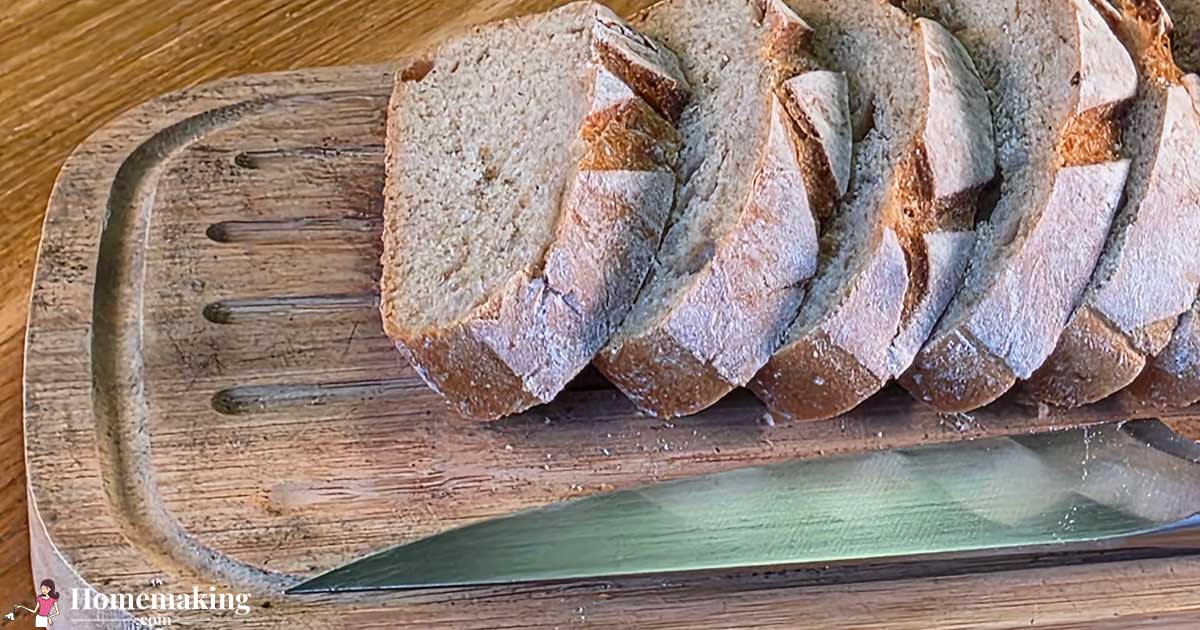
I can still remember the very first time I saw those white blotches on the bread I left on the counter for toast. I had pulled the bread out of the box and sliced into it when I stopped dead in my tracks, staring at the loaf. Could these be just pieces of flour… or was this the beginning of bread mold? We’ve all had moments like this.
I had a similar jolt once when I spotted white lumps in Spam and figured I’d have to toss my whole lunch.
Bread may seem like an easy item to understand, but once you see those white spots, it’s like a food safety puzzle. In some cases, these white spots are nothing but baking leftovers; in others, they’re the first signs of mold. Either way, when you’re trying to figure out if your bread is safe to eat, it matters.
Mostly, White Blotches on Bread Mean Mold
White blotches on bread are most likely the initial stages of mold. Mold does not always grow to be green or black, and in fact, it will typically begin its development as a pale white blotch. I’ve seen white blotches develop into white specks (dots) or slight fuzziness on the surface of a piece of bread.
Mold spores are present everywhere in the air we breathe, and when they fall onto bread (especially soft bread with plenty of moisture), they can grow quite rapidly. High temperatures and high humidity provide an excellent environment for mold to grow, and if a loaf is stored in a sealed plastic bag in a warm kitchen, it provides a perfect environment for the mold to grow and spread.
One of the things I learned the hard way about mold on bread is that the mold can change color as it develops. A white blotch can grow and change into a green, blue or black blotch. At that point, the bread spoilage process is well underway.
Soft sandwich loaves, brioche and other soft breads are particularly susceptible to mold. These types of bread do not have a dense enough structure or enough acidity to slow down the growth of mold in bread.
When White Spots Aren’t Mold
Not all pale marks on a loaf of bread indicate trouble. I have definitely overreacted before and found out that the “spots” were completely harmless.
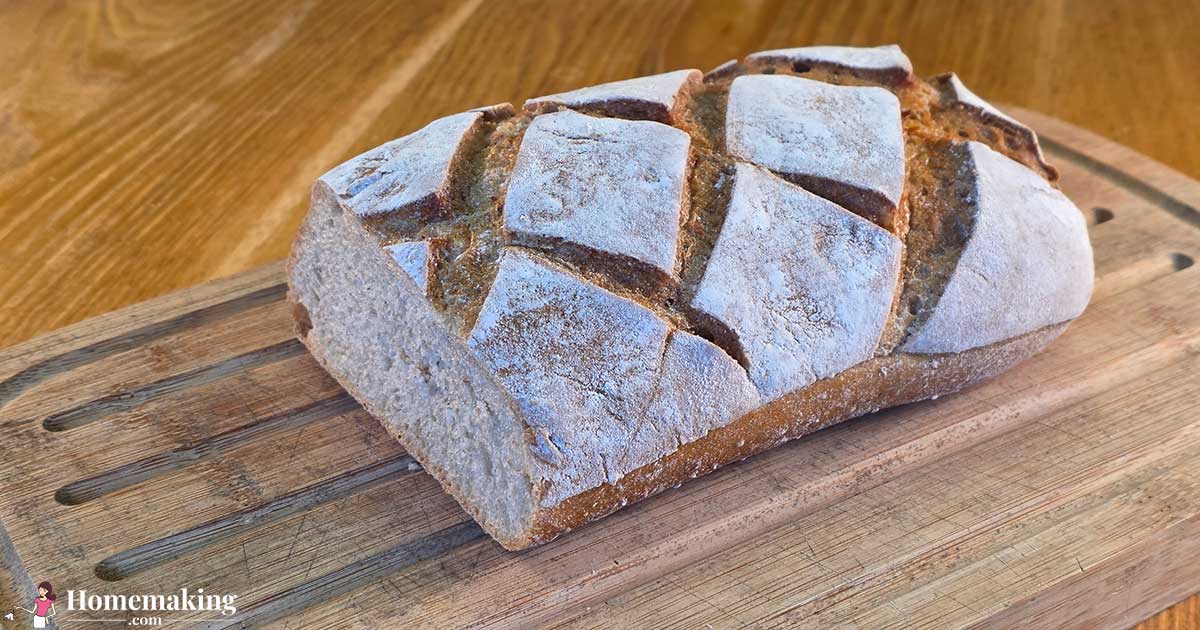
A frequent cause of pale marks on bread is flour dusting on the crust. Many bakery loaves are lightly coated with flour before being baked to prevent the dough from sticking and to create a rustic crust. These flour patches can show up as white spots on sourdough or artisan bread.
Another common cause of white spots on the crust is salt crystals. Pale spots on the crust can also be caused by baked air bubbles that break through the surface.
If I am unsure, I check the texture of the spot. Flour tends to be dry and powdery, similar to if someone had intentionally sprinkled flour on the bread. Mold usually has a soft, fuzzy or slightly raised texture.
How I Determine If It Is Mold
Through trial and error, I have developed a simple checklist that helps me determine whether a loaf of bread is still good or needs to be tossed:
First, I check the texture. Bread mold usually includes a fuzzy or velvety surface. If the spot looks soft, fuzzy, or slightly elevated above the crust, that is a warning sign.
Second, I check to see if the spot is spreading. Mold rarely stays perfectly confined to one area. If I see multiple spots developing in different places, that indicates mold growth rather than leftover flour.
Third, I use my sense of smell. Fresh bread has a mild, pleasing odor. Moldy bread, on the other hand, has a musty, sour odor that is unpleasant.
Fourth, I pay attention to any color changes. If white patches begin to transition towards green, blue or gray, that is typical mold behavior.
There is one important safety factor to consider when trying to determine if a loaf of bread has mold. Mold doesn’t just stay on the surface. The roots of mold can spread through soft foods like bread. Therefore, even though you may only see one small white spot on the surface of a loaf, the microscopic growth could already be taking hold in the interior of the loaf.
Can You Eat Bread If It Has White Spots?
I personally do not eat bread if I think there is mold on it. It’s simply not worth the risk.
I do not recommend eating bread that has white spots on it because mold spreads through soft foods such as bread very quickly and easily. Bread is a porous food that allows mold spores to penetrate deep into the bread before becoming visible.
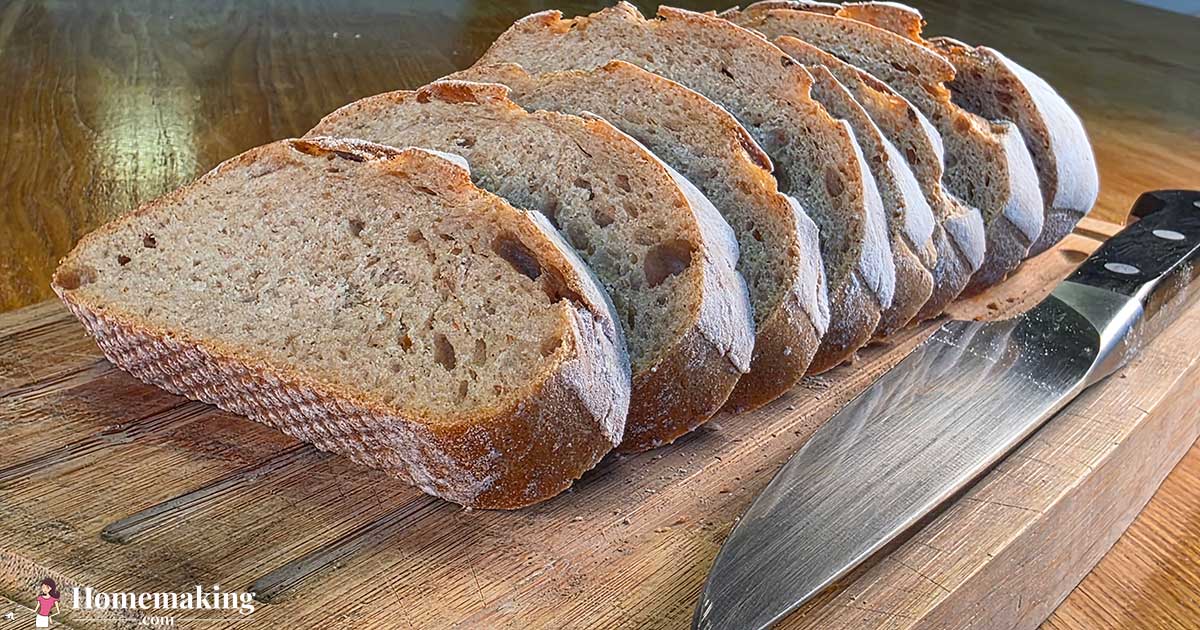
Some people attempt to cut off the moldy portion of the bread and eat the remaining portion. From my personal experience and testing, I would strongly advise against this method for bread. Simply removing the visible mold does not remove the mold that is growing inside the loaf.
General food safety guidelines treat bread that has developed mold as spoiled bread and advise against attempting to salvage the bread. The best course of action, therefore, is to dispose of the loaf of bread.
The same commonsense checks apply well beyond bread, and knowing when broccoli has gone bad often comes down to noticing those same kinds of color, smell, and texture changes.
Why Does Bread Get White Mold So Quickly?
Bread gets mold so quickly because of its moisture content and nutrient composition that mold thrives in. Combine warm temperatures with the moisture and nutrients, and you have the ideal growing conditions for mold.
Storage is also a significant contributor to the speed of mold development. Bread stored in sealed plastic bags retains humidity, which promotes mold growth. Additionally, fresh-baked bread tends to spoil more quickly than packaged sandwich bread due to the presence of fewer preservatives.
For these reasons, bread’s shelf life varies greatly. A freshly baked loaf of bread from a bakery can develop mold in as little as three days, while a commercially produced loaf can remain edible for longer periods.
Preventing Mold on Bread
Over time, I have identified a few simple habits that help prevent bread mold from developing.
The largest factor in preventing mold on bread is how you store it. I store bread in a cool, dry place away from warm appliances. If I know I won’t finish a loaf of bread in a couple of days, I either refrigerate it or freeze it.
Freezing individual slices of bread is a surprisingly effective method of preserving the bread. I frequently freeze half of a loaf of bread and then toast slices directly from the freezer. Freezing slices of bread extends the shelf life of the bread significantly.
Another habit I have adopted to prevent mold on bread is to never seal warm bread in a bag. Trapping heat causes condensation in the bag, and this rapid development of condensation encourages mold growth.
Following these small tips can result in a noticeable increase in how long bread remains fresh.
Seeing white spots on bread can be perplexing at first. Some white spots on bread are harmless flour or baking residue; other white spots on bread are indicative of mold. When I’m unsure, I use my senses: texture, smell, and whether the spots are spreading. If I suspect mold, I err on the side of caution and throw the loaf of bread away. Replacing bread is easy; food safety is always worth the extra caution


