
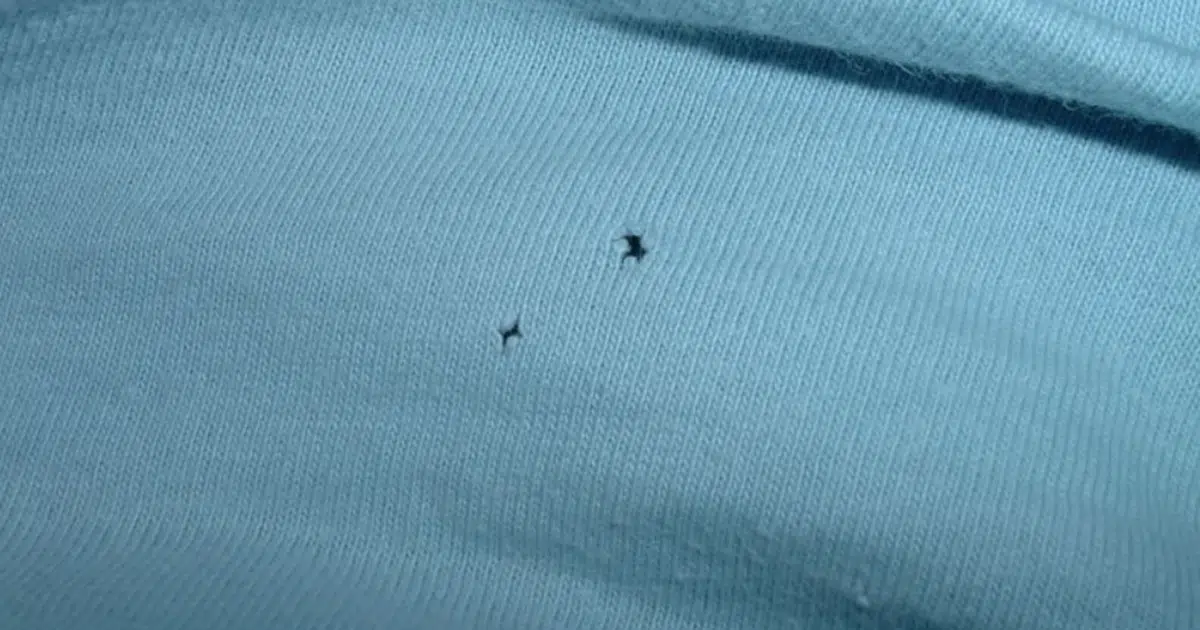
One of the things I was wrong about initially was how damaging my washing machine was being to my wardrobe. Every couple of weeks I would pick up a T-shirt and find a hole in the bottom. Initially, I didn’t think anything of it and continued to put off fixing the problem. As more T-shirts began developing the same type of damage, I became increasingly frustrated each time I did laundry. What was unique about the situation was that the problem was limited to specific types of clothing.
Eventually I discovered that holes in clothing are generally caused by multiple events occurring together. While some of the reasons why damage occurred were obvious once I noticed them, others genuinely surprised me. Fortunately, most common issues related to fabric damage are easily avoided without spending money on specialized products or purchasing a new appliance. Simple changes to routine have greatly improved the longevity of my clothes.
Common reasons for common types of fabric damage (why your clothes are developing holes)
Fabric damage typically does not occur overnight. Friction, heat, and stress from bugs stored in closet or attic areas are just a few examples of ways that damage occurs.
Delicately woven fabric wears down quicker. Lightweight cotton or knitted material is particularly prone to wear. Cheaper fast fashion clothing seems to be more susceptible to damage, likely due to its tendency to lose its softness shortly after being washed repeatedly. People who take care of their laundry will ultimately develop holes in clothing; it’s one of those subtle household problems that develops quietly.
Damage to clothing due to laundry practices
While I thought the problem lay in my washing machine, I soon realized that laundry practices themselves contributed to fabric damage. Ripped seams and metal clips on bras, undergarments, and other clothing can rip fragile fabrics during a wash cycle. Additionally, I learned the hard way that overcrowding the washer can force garments to twist and bend beyond what they should during a wash cycle. Heat also contributes to fabric damage. Higher temperatures in dryers slowly begin to break down fibers, particularly in cotton shirts and workout clothing. If you’re serious about avoiding holes in clothes, pay close attention to your dryer temperature settings.
Separating delicate fabrics and placing them in mesh laundry bags for washing lighter garments is probably the most important habit I’ve adopted. This practice reduces snagging dramatically. Using mesh laundry bags allows for greater freedom of movement within the bag compared to traditional plastic ones. Prior to adopting this habit, I would zip every zipper on clothing prior to washing. It may seem insignificant, but it prevents snagging almost entirely.
In addition, I have adjusted my laundry practices to wash most of my casual wear on low-temperature cycles. I also try to avoid running everything through high-heat drying. Although dryers are convenient, excessive heat can be harmful to fabric health over extended periods of time. Based on my experiences, lowering dryer temperature significantly improves fabric durability.
Friction from household objects causes unintentional fabric damage
As surprising as this may sound, household objects also contribute to fabric damage.
When I finally took notice of where the majority of the holes in my shirts were located, I discovered that the damaged area consistently corresponded with the location of a countertop near my waistline where I frequently leaned while cooking or checking my phone.
Repeatedly leaning against countertops with sharp edges damages fabric over time.
Seat belts, desk chair armrests, belt buckles, jeans buttonholes, and similar objects all provide points of contact which generate friction that results in weakened fibers creating small tears over time.
These types of fabric failures aren’t always dramatic or sudden; they are gradual over time as a result of continuous friction from various objects.
In my own experiments with eliminating the source of damage, I determined that reducing intentional friction resulted in fewer damaged garments. To achieve this goal, I purchased an apron to wear while cooking and stopped leaning against counters excessively. I also examined any rough countertop edges that could potentially catch fabric.
Although it may seem overly simplistic, friction from household objects results in more garment failure than many consumers realize.
Clothing damage caused by pests
At times, clothing damage isn’t a result of improper laundry practices at all. Clothes moths and silverfish are two common insects that eat away at fabric, specifically natural fiber-based materials such as wool, cashmere, and silk. Man-made synthetic materials tend to repel these insects.
Irregular small holes in a garment are indicative of moth damage. Typically, dark and damp environments provide the ideal conditions for these creatures to nest and go undetected. For example, I once detected moth damage in an old sweater that hadn’t been worn for nearly a year.
Regular vacuuming of closet corners and maintaining a dry environment will help reduce pest infestations. Avoid storing dirty garments long-term; even small amounts of sweat and food residue can attract pests. Cedar blocks or lavender sachets can also be effective deterrents for moths.
Improper storage methods reduce clothing longevity
Prior to making changes, I used thin wire hangers for virtually all of my clothing. Wire hangers stretch across shoulders and can apply pressure to delicate fabrics, creating weak points where holes can form.
Additionally, jammed drawers can create tension among garments causing snags. Sweaters are especially prone to damage if hung rather than folded.
Excess moisture in storage environments deteriorates fibers over time and increases mildew growth. I began allowing more space for garments within crowded closets and no longer overstuff my closet drawers.
Using wooden or padded hangers is slightly more expensive than traditional wire hangers; however, they protect clothing better overall.
Reducing garment damage by changing several minor habits
By implementing several minor adjustments to my previous habits, I experienced significant improvements in my ability to minimize damage to garments. Specifically, I implemented gentler wash cycles, reduced dryer heat levels, and began monitoring potential sources of surface damage throughout my home.
A second major adjustment was becoming more discerning regarding fabric quality when selecting clothing purchases. Thin materials will inevitably degrade over repeated wear regardless of price tag; therefore, choosing thicker materials when possible ensures increased durability.
To be honest, I stopped becoming upset each time I observed damage. While holes in clothing can be perceived as random occurrences, most instances have identifiable patterns when examined carefully. Identifying contributing factors to garment damage allowed me to establish strategies for prevention that are far more successful than previously employed methods.


