
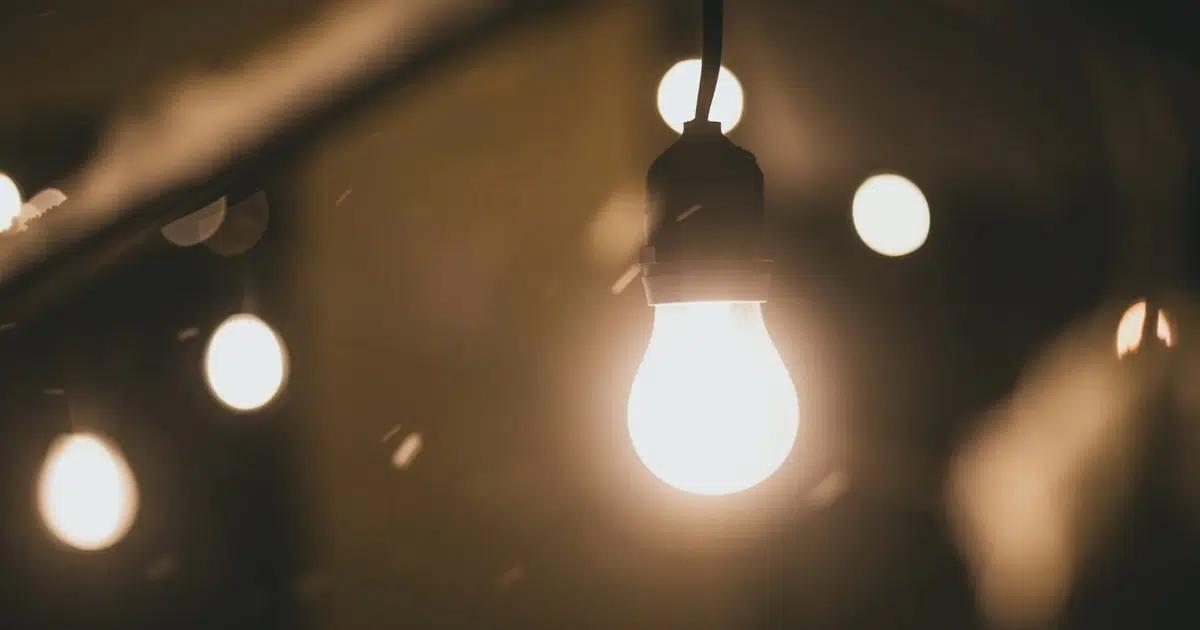
I had no idea what the flickering kitchen light meant. I thought it was simply an old bulb. However, each time the flickering happened, especially after the microwave turned on, I became more concerned. Most electrical issues begin with small signs that are easy to ignore, and the same is true with flickering lights.
There are many reasons why your lights may flicker. Not all of them mean there is a serious problem. In many cases, it is nothing more than a loose bulb. However, in other situations, the problem could be caused by a larger wiring issue hidden behind your walls. The difficult part is figuring out which situation you are dealing with before it becomes expensive or dangerous.
From my experience, the most important thing you can do is notice patterns early. A single flickering lamp is very different from lights flickering throughout most of the house.
Why Do My Lights Flicker?
Lights flicker when the flow of electricity is interrupted. This can happen because of anything from a loose bulb connection to a more serious problem with your home’s electrical system.
While learning about electrical problems, I realized that you should not panic over a single flicker. It is normal for lights to flicker after a storm or when large appliances are running. However, if the lights continue to flicker often or the problem gets worse over time, it should be checked.
Consistency is the biggest warning sign. Random flickers once a month are very different from lights dimming every evening.
Loose Light Bulbs
It may sound obvious, but loose bulbs cause many flickering problems. Before checking for wiring issues or calling an electrician, I checked this problem in my own home.
When a bulb is not screwed in properly, it loses contact with the socket. This interrupts the flow of electricity and causes the light to blink or flicker. Ceiling fans and lamps are especially likely to have this problem because of vibration and movement.
To fix the issue, turn off the light, let the bulb cool completely, and tighten it carefully. If the flickering continues, replace the bulb.
Trust me, you do not want to skip this simple fix. It takes less than two minutes and could save you a lot of stress.
Bulb Failure or Aging
Sometimes the bulb itself is the problem. Cheap LED bulbs can fail internally over time and begin to flicker. I have also purchased low-quality LED bulbs that started flickering almost immediately after installation.
Never again.

LED bulbs can also have problems with older dimmer switches. Some newer LED bulbs do not work properly with older dimmers, which can cause inconsistent brightness or noticeable flickering.
Installing high-quality LED bulbs usually solves this problem quickly. It is also important to check the packaging before buying LED bulbs to make sure they are compatible with dimmer switches. That small label matters more than most people think.
Dimmer Switch Problems
Older dimmer switches were designed for incandescent bulbs, not modern LEDs. This mismatch can create flickering, buzzing noises, or uneven lighting, especially at lower brightness settings.
I dealt with this problem in my living room recently. The lights worked fine at full brightness, but they started flickering whenever I dimmed them halfway. At first, I thought the bulbs were defective, but eventually I discovered the dimmer switch was the real problem.
In most cases, upgrading to an LED-compatible dimmer switch will solve the issue. Matching the correct LED bulb with the right dimmer can make a huge difference.
If you decide to replace a dimmer switch yourself, always turn off the power at the breaker first. Rushing through electrical work can be dangerous.
Overloaded Electrical Circuits
If your lights flicker when you turn on appliances such as microwaves, air conditioners, space heaters, or washing machines, your electrical circuits may be overloaded. Older homes were not designed to handle as many appliances as modern homes use today.
Occasional voltage dips can happen when several large appliances run at the same time. However, frequent flickering may point to a more serious overload problem.
Common signs of overloaded circuits include:
- Hot outlets
- Frequently tripped breakers
- Lights dimming in several areas of the house
You can reduce pressure on your electrical system by unplugging unused devices and spreading appliances across different outlets or circuits. Overloading extension cords and power strips can also create problems. From my research, overloaded power strips cause more issues than many people realize.
Loose Wiring Is Dangerous
Out of all the reasons lights flicker, loose wiring is one of the most dangerous.
Poor wiring connections interrupt electrical flow and create heat around wires and outlets. In some cases, this can lead to electrical fires. Warning signs of wiring problems include:
- Burning smells
- Buzzing sounds
- Sparks
- Warm outlets
- Frequently tripped breakers
- Flickering lights in multiple rooms
At this point, do not try to fix the issue yourself. Call a licensed electrician immediately if you notice these warning signs. It is always better to be careful before serious damage happens.

Utility Company or Weather-Related Causes
Sometimes the reason for flickering lights is not inside your home. Storms, strong winds, damaged power lines, and utility grid problems can cause temporary flickering throughout an entire neighborhood.
One quick way to check is by asking neighbors if they experienced the same issue. If several homes noticed flickering at the same time, your utility company is probably already aware of the problem.
Weather-related flickering usually stops once the power stabilizes. However, if the problem continues, contact your local utility provider so they can inspect nearby power lines or transformers.
When To Hire An Electrician
Some lighting issues can be solved without professional help, but there are times when you should call an electrician immediately.
Contact an electrician if you notice:
- Lights flickering constantly in multiple rooms
- Breakers tripping often
- Excessive heat from outlets
- Burning smells
- Buzzing sounds
- Sparks
Like many homeowners, I learned that having a professional inspect your electrical system early can help prevent much larger repair costs later.


