
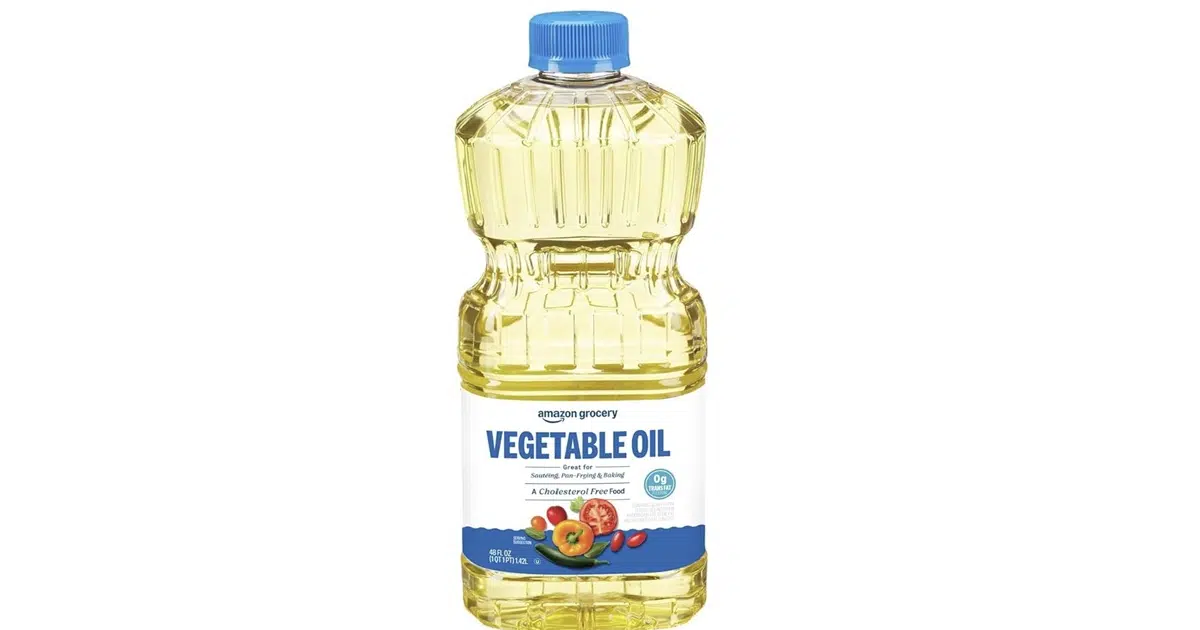
I’ll admit, I’ve never really given much thought to those little plastic pull tabs that oil bottles come with. You know the ones. Twist open a fresh bottle of olive oil, peel that seal off, toss it in the garbage, and you’re done. That’s what I did for years. However, after recently learning about what these pull tabs on oil bottles were for, it literally stopped me dead in my tracks while I was cooking, like… wait, have I been doing this incorrectly the entire time?
Pull Tabs on Oil Bottles & Their Second Life
As it turns out, that little piece of plastic you’ve probably tossed away dozens of times has a surprisingly beneficial second purpose. Once I tried this method myself, I couldn’t help but notice the difference.
What Pull Tabs on Oil Bottles Are For (Basic Explanation)
First of all, as far as what pull tabs on oil bottles are for in terms of their primary function, it’s very straightforward. They are used to seal the bottle tight before you open it. By keeping the oil fresh, preventing leaks during transportation, and providing you with an indication that the bottle has not been opened or tampered with, it serves as a hygiene and safety function. There’s nothing creative going on here.
Just about everyone assumes that is where their duty ends. Remove the seal, dispose of it, and that’s it. But here is the thing, although manufacturers typically do not advertise this fact, the little tab can be used again in a very interesting way.
And, no, I am not talking about some sort of “hack” that barely works in the kitchen. This one is practical.

Smart Trick Most People Have Never Thought Of
Here is the part that literally caused me to question everything I thought I knew.
Do not throw away the pull tab. Flip it upside down and press it back into the bottle opening.
I know this seems ridiculous. I thought so too. But I decided to try it one night while cooking, primarily for my own curiosity, and the difference was instant. Rather than oil gushing out in that wild and unpredictable manner of glug-glug-glug, it began pouring into a smooth and controlled stream.
No spills. No flooding your salad.
In my experience, the best way to handle messy pouring is to control the rate of flow. And that is exactly what this little trick does. The flipped tab acts as a basic pour spout, which slows things down just enough to provide you with control.
One thing I learned the hard way was how easily oil could spill. You think you are adding a tablespoon and your pan appears to be a shallow pool. With this trick, that problem simply goes away.
Honestly, I was blown away at how well it worked. It was one of those “why didn’t I figure this out sooner?” moments.
How Does This Work?
The reason this trick works is quite simple once you think about it.
When you flip the pull tab and press it back into the opening of the bottle, it essentially partially obstructs the large opening of the bottle. This causes the oil to flow out of the bottle more slowly. As opposed to the free-flowing pour you would normally get, you now get a slower flow.
This is similar to the bottles with built-in flow restriction. Same concept, just improvisational.
Again, I want to make it clear that this is not necessarily what pull tabs on oil bottles are designed to be used for. Not every brand has intended for consumers to reuse them in this way. Due to their design and size, however, they will fit back into the opening in a way that is very similar to using a pour control insert.
And it works surprisingly well.

When Is This Trick Most Helpful?
I have personally found this trick to be particularly useful for everyday cooking.
Pouring oil over salads? Much easier to control.
Pouring oil into pans? No longer will you be worrying about accidentally over-pouring.
Something as simple as preparing vegetables to roast also feels more precise.
If you are new to cooking, believe me when I say you don’t want to miss this step. It helps you develop a better sense of portioning without constantly second-guessing yourself.
And if you are like me and constantly find yourself pouring “just a little bit more”… then yes, this will put an end to that habit right away.
Some Things To Consider
Before you start digging through the trash to retrieve the last pull tab, a couple of fast realities.
Not all pull tabs will fit perfectly when turned upside down. Depending on the manufacturer, some will vary in terms of size and/or shape.
Additionally, some oil bottles may have a built-in flow restriction under the cap. If that is the case, you will not need this trick.
And one more thing, make sure the tab is clean before you replace it. Although it might seem obvious, it is easy to overlook in the heat of the moment.
If the tab doesn’t fit properly, don’t force it. The objective is to gain control, not create another mess.
At this point, every time I open a new bottle, I take a split second to consider whether I should toss that little piece of plastic. After learning what pull tabs on oil bottles are for and what they can do, I completely changed how I use them.
It’s a ridiculously small thing. Easily ignored. Easily discarded.
However, sometimes the smallest overlooked detail can be the most valuable. And… yes, this is definitely one of those times I wish I had figured it out a long time ago.


