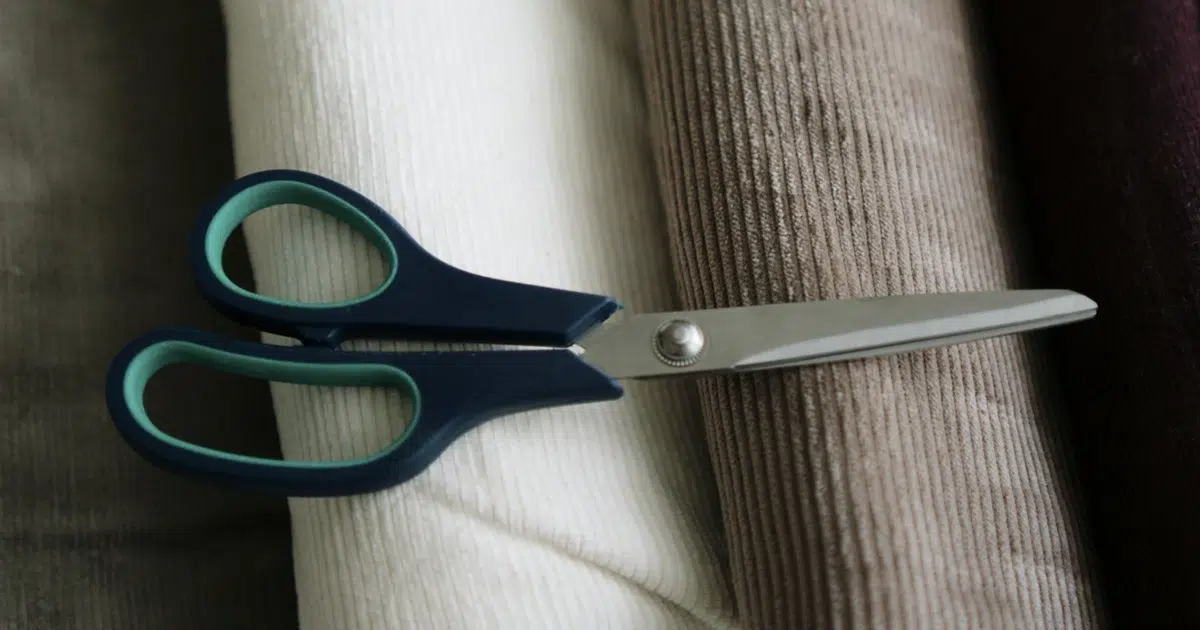
That flat, non-sharp piece of metal you turned over in your hand is most likely a table crumb scraper, the little tool a server uses to sweep crumbs off a table or cloth between courses. I say most likely because a single photo can’t confirm it with total certainty. Flat metal with a dull edge describes a few tools. But the shape lines up so well with a crumber that it’s the answer I’d put money on.
Why It’s Probably a Table Crumb Scraper
Start with what the tool physically is. A crumber is flat, made of metal, palm-sized and light. The edge is dull on purpose. It’s meant to slide flush against a surface and gather loose bits, not to cut anything. That combination is telling. A blunt, thin edge is useless for slicing but perfect for hugging a tabletop and dragging crumbs into a neat pile.
One reader described the pictured tool as looking like “a crumb sweeper used to clean tablecloths,” and honestly, that’s the same read I had. The lack of a sharp edge is the big clue. If a kitchen tool is flat, unremarkable, and clearly not built to slice, sweeping is a strong candidate. I’d still call this strongly plausible rather than confirmed, because photos flatten out details like weight and curve that would settle it in person.
How a Table Crumber Is Actually Used
The move has a name in the trade: crumbing, or the crumb-down. A server draws the flat edge across the tablecloth between courses, usually right before dessert, sweeping stray crumbs onto a small plate or into a folded napkin. It’s quick, quiet, and meant to reset the table so it looks fresh for the next course.
You’ll mostly run into this in white-tablecloth rooms and fine-dining spots, where the whole point is a tidy, unhurried table. Casual places skip it. I still remember watching a server glide that little blade across the cloth beside me, crumbs vanishing in one smooth pass, and thinking it looked almost too easy. If you’re curious about the other odd bits of restaurant hardware you spot at the table, there’s a whole world of them, like that metal bar in a restaurant.
Worth knowing: crumbers come in two broad styles. There’s the manual scraper, a flat blade you push by hand, and the rolling type with a little wheel that picks up debris as you push it. Well, the mechanisms might differ a bit, but overall, that’s how they work in most cases. If your tool has no moving parts and is just a flat shape, it’s the manual scraper family.
What Else the Tool Could Be
Because flat metal with a dull edge isn’t unique, it’s worth ruling a few things in or out before you decide. A plating or forming ring is one possibility, though those are usually round and open, not a flat blade. A tamis, the drum-shaped fine sieve used in prep kitchens, is another metal tool people fail to recognize, but it’s a mesh screen in a hoop, so shape rules it out fast.
The sneakier option is that it’s not a kitchen tool at all. Drawer finds get mis-shelved constantly, and plenty of flat metal scrapers, spreaders and putty tools look kitchen-adjacent without belonging there. Shape alone isn’t decisive. Check the specific features against these before you commit to an answer.

How to Confirm What You’ve Got
A few quick checks settle most of these. Run a finger along the edge. If it’s dull and smooth, you’ve got a scraper-type tool, not a cutter. Look for a matching crumb tray or small plate it might pair with, since crumbers often travel with one. Compare the size and weight to your palm, because a real crumber is light and easy to hold one-handed. Then hunt for any maker’s marks, which can name the tool outright.
If the edge is smooth and slightly curved to hug a flat surface, the table crumb scraper is the safe bet.