
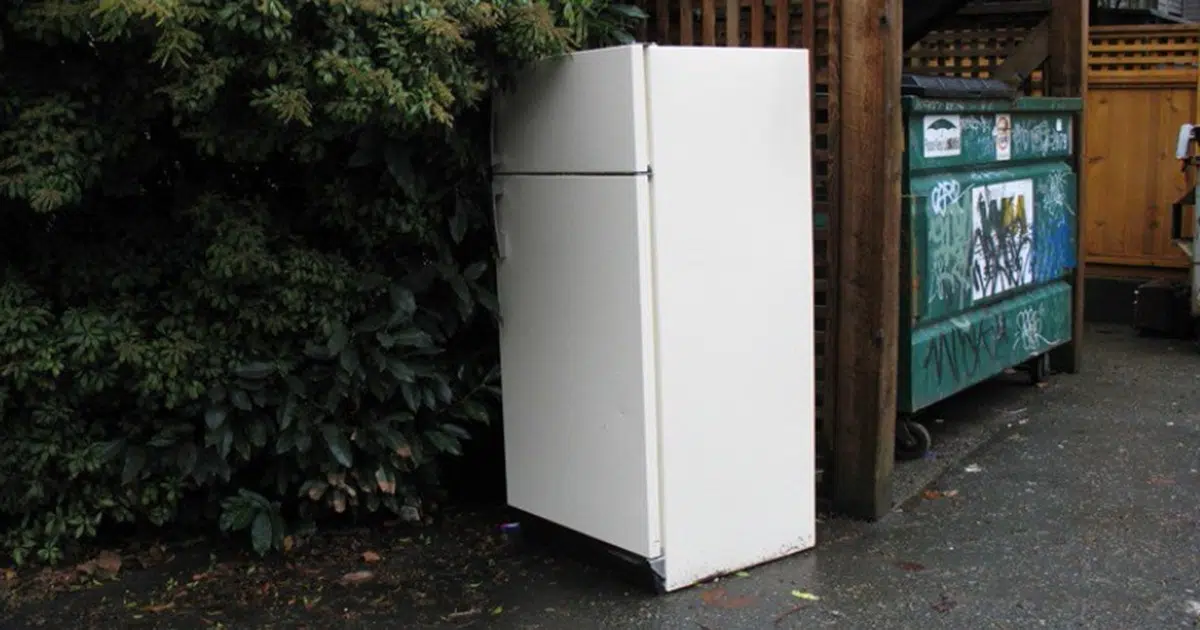
A garage refrigerator or freezer can be a lifesaver — providing extra storage space for beverages, bulk groceries or that freezer-burnt slush you can’t bear to live without. But let’s be real, garages are not exactly the coziest places for appliances to hang out. They are more like battlefields, with appliances eternally fighting scorching summers and chilly winters. Sound familiar? If you have a fridge or freezer in your garage, these 9 tips will help you keep it running, no matter what Mother Nature throws your way.
1. Pick the Right Tool for the Job
Not all refrigerators or freezers are cut out for it, though, at least when it comes to dealing with the wild temperature swings of the garage. When I originally added a basic old fridge to my garage, I believed I was being thrifty. Big mistake. Then, after one frigid winter, it gave up the ghost, leaving me with thawed meat and a mess to beat the band. Well, I cannot fully blame myself, it was my husband’s idea, but still. I was the one who had to deal with thawed meal afterwards.
Don’t bother: just pick up a garage-ready model (Yes, please). These are designed to thrive in tough environments and will spare you a ton of frustration later.

2. Avoid the Sun’s Wrath
If you can imagine what would happen if you left an ice cream cone on your dashboard on a sunny afternoon, you can imagine how it will end for the thermometer. It’s the same thing if your garage fridge bakes in direct sun. Put it in a cooler, shadier part of the garage to prevent it from overheating.
And if sunlight slips through the windows, you might want to invest in blackout curtains or shades. It’s a tiny update that can have a big impact.
3. Insulate
Your fridge isn’t Superman (yeah, I wish it was too, but oh well). If your garage is the equivalent of Antarctica in the winter or a sauna in the summer, so is your appliance. By insulating its walls, ceiling, and door, you can transform your garage into a far friendlier place for it (and, for that matter, for you).
When I eventually insulated my garage, my fridge performed better, and I was able to hang with a drink out there without losing my fingers to frostbite.

4. Elevate It Off the Ground
Garage floors in the winter are basically the same way big ice packs are, cold, hard, cold, and cold. Elevating your fridge or freezer off the ground (I found that lifting it a couple of inches off the ground sufficed) can shield it from those cold temperatures and enhance airflow.
Just stack that Jenga on any old wooden pallet, or fancy it up when you need a more secure setup by using a platform. Bonus: this prevents moisture, and thus rust.
5. Keep Tabs on Temperatures
Change in temperature is a big problem too. Just do yourself a favor and get a cheap thermometer. Now why not put one in the garage and another in the fridge?
When I began tracking mine, I discovered my garage had been getting too much cold in the winter, causing my fridge to stop working. All it took was a twist of the thermostat and I avoided a world of hurt.

6. Seal the Deal
You know that rubber gasket that wraps around the refrigerator door? That’s a gasket, and it’s your refrigerator’s first barrier against allowing cold air to escape. Gaskets wear out, or they get yucky over time, and they just don’t seal properly anymore, and it’s like you’ve been leaving the fridge door open all day, every day.
Check the seals now and then. I like to do the “dollar bill test.” Shut a dollar bill in the door — if it slides out easily, the gasket needs to be replaced. Gaskets get moldy too. I’ve learned this the hard way.
7. Warm It Up in the Winter
Winter can be harsh, especially if your garage colder than your fridge’s minimum operating temp. When that occurs, the compressor may no longer run and, in turn, your freezer contents may thaw.
Change the game with a tiny garage heater. You don’t have to hit the Bahamas-level of warm, but anything that will keep your refrigerator from giving up and taking a nap will work.

8. Don’t Stuff It Like a Thanksgiving Turkey
Your fridge or freezer may look more spacious when it’s packed to the brim with food, but overpacking is a recipe for disaster. You need air to circulate so that cold air can do its job and keep your food fresher for longer.
Stay organized and leave a tiny bit of breathing room between everything. An approximate three-quarters full is nice and efficient, without unduly crowding. That’s what I keep telling my husband too. Don’t overpack!!
Your fridge or freezer may not be a high-maintenance appliance, but a little maintenance can make a big difference. Take the food out and defrost it periodically if it’s got ice buildup. That’s what keeps it running efficiently, and what keeps frost from monopolizing a portion of the freezer.
While you’re at it, be sure to clean the coils. I was guilty of ignoring mine for years, and let’s just say they resembled a fixture in an old, abandoned dusty attic. A suction from my vacuum cleaner easily fixed that, and our refrigerator started humming happily.

A garage refrigerator or freezer is a great way to increase your food storage, but it’s not a simple task of “set it and forget it.” With these tips, you can make sure your appliance is fit to perform like a champ, come 100 degrees outside, or freezing below. And since you’re already showing some love to your garage fridge, you might also want to learn the signs to watch for indicating that your main fridge is on its way out. Oops.


