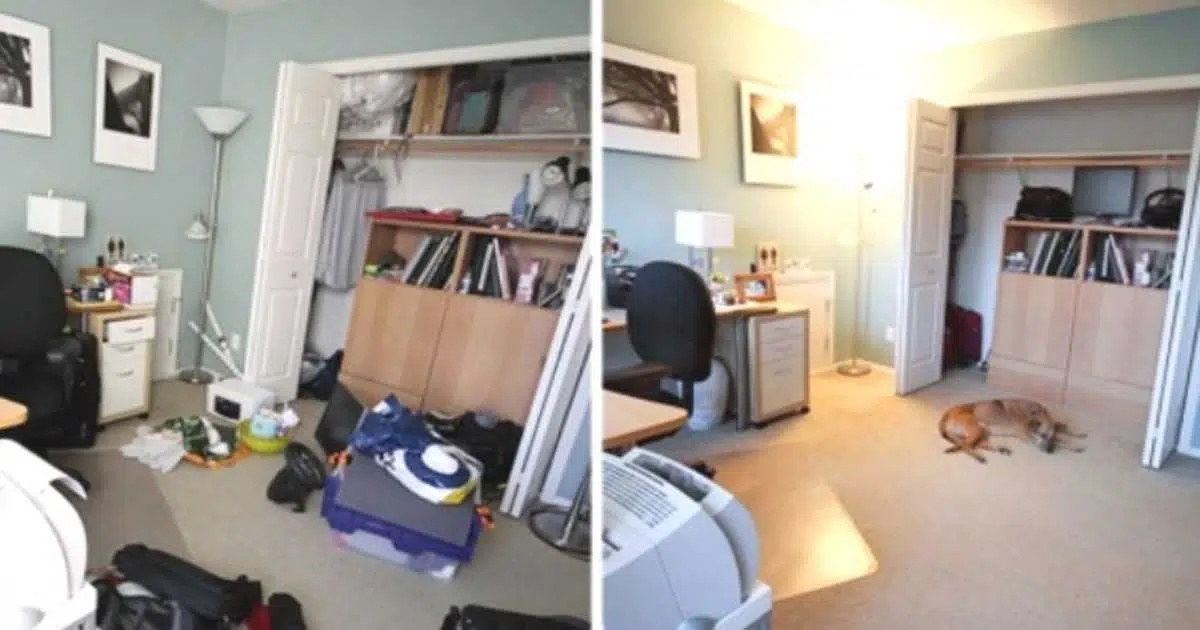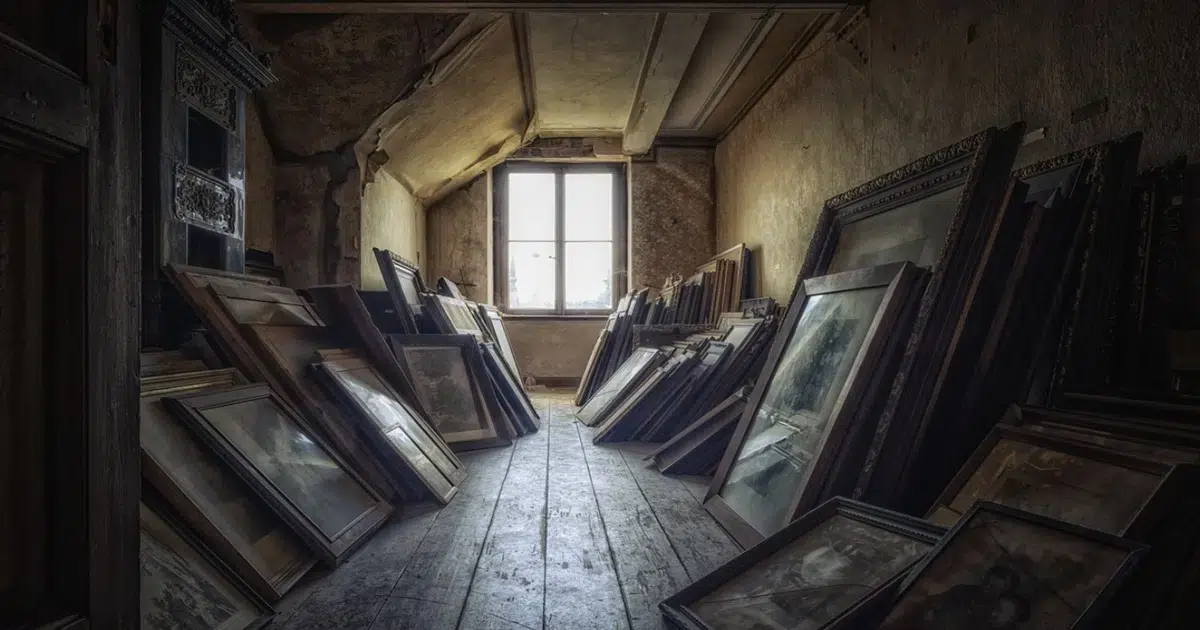
I used to think that I could store all sorts of things in my attic for free, those magical spots where boxes just disappear. However, after losing a sweater (which I still haven’t replaced) and a box of papers that developed mold, I realized that my thinking was wrong. Things that don’t belong in an attic are most commonly harmed by the heat, moisture, poor ventilation, and bugs that live there. An attic isn’t a closet; it’s an extreme environment that slowly kills your belongings. If you’ve ever wondered what you can never store in an attic or if you’re unsure of what you can store in an attic, then this is basically the conversation I wish someone had with me before I lost a number of things that I really cared about.
How Attics Are Unfavorable for Storing
An attic provides one of the worst climates in a house. Summer attic temperatures can exceed very high levels, and winter temperatures can drop well below freezing. Moisture enters attics from poorly ventilated spaces through condensation. There is a greater risk of fires in uncontrolled environments, and rodents and insects find it easy to access attic areas. As I stated earlier, heat damage in attics is usually slow and hidden. When you finally open a box months later and find that you have irrevocably damaged something you love, you probably won’t remember when it happened. I wrote earlier about how hot an attic can get, and that information alone should give you enough reason to think twice about using your attic for storage.

1. Photos, Important Documents, and Paperwork
Heat and humidity are some of the most common reasons photographs and documents, such as birth certificates, family photos, letters, and important paperwork, are damaged. Damage in these cases is almost always irreversible. I take extra care with these types of items. I store them in a fireproof safe in a climate-controlled room. Unfortunately, sentimental loss hurts much more than clutter ever will.
2. Electronics and Appliances
Excessive attic heat can damage electronic equipments. Extreme temperatures can damage electronic circuit boards. Batteries can swell or leak in high temperatures, and cold temperatures create condensation inside appliances. TVs, computers, cell phones, printers, and video game systems are very risky. I have learned from my own experiences that even unused electronic equipment deteriorates much faster in attics. In addition to the possibility of damage to the electronics themselves, there is also a small chance of fires caused by overheating batteries.
3. Clothing, Fabrics, and Bedding
The smell of a sweater I pulled out of the attic was so bad I wasn’t sure if I would be able to save it. Moths and rodents are attracted to fabrics. Excessive humidity creates the perfect environment for mold and mildew to grow, and elastic and fibers break down, causing stains to appear seemingly out of nowhere. Even if you seal your boxes, these problems can still occur. If you value your clothing, bedding, or blankets, the attic should not be considered an option for storing them.
4. Wooden Furniture and Antiques
Temperature extremes can cause wood to shrink and expand. Wood can warp, crack, and develop loose joints. Adhesives dry out, finishes peel off, and structural integrity is compromised. Attic storage damage of this type does not happen overnight. It occurs over an extended period of time. In my experience, even well-built wooden furniture will deteriorate in attic conditions.

5. Food, Canned Goods, and Wine
You should never store food in an attic. High temperatures speed up spoilage, and freezing temperatures compromise the packaging of food products. Canned goods can burst under pressure fluctuations. Bacteria thrive in unstable environments. Wine is particularly sensitive to temperature variations, which can permanently change its flavor. Beyond wasting resources, there are real dangers associated with improperly storing food, canned goods, and wine. This is definitely a “never” category.
6. Paint, Chemicals, and Cleaning Supplies
Chemicals can leak, expand, or even explode in extreme temperatures. These conditions can also cause paint components to separate, rendering the paint unusable. Additionally, when heated, chemical products stored in attics release toxic fumes that can linger for extended periods of time and pose serious health risks. Based on my own experimentation, I would strongly advise against storing any flammable or chemical-based products in an attic.
7. Musical Instruments
Musical instruments are fragile, especially those made of wood, and are susceptible to damage from heat, cold, and humidity. Temperature swings can crack wood, cold temperatures can rust metal strings, and humidity can warp instrument parts, damaging the sound produced by the instrument. I am confident that guitar and violin owners who have stored their instruments in attics have seen permanent damage to their instruments’ sound, and I am equally confident that professional repair services cannot fix that type of damage.
8. Seasonal Decorations Made of Heat-Sensitive Materials
Seasonal decorations made of plastic can warp or melt when exposed to heat. Colors can fade, and electrical wiring can become brittle. Although it might seem convenient to store seasonal decorations in attics, especially those that contain lights, glue, or other plastic materials, it is a bad idea. I have found more than once that the seasonal decorations I stored in my attic were warped or had broken wiring.

What Shouldn’t Be Stored in an Attic?
Not everything placed in an attic is suitable for attic storage. Suitcases, sturdy plastic seasonal decorations, and clearly labeled containers of seasonal items are generally acceptable. Items with no emotional value or items made from non-heat-sensitive materials are better choices. The key is to ensure that the items you store are tightly sealed and that you understand they are durable and not precious.
I have come to realize that just because something fits in an attic, it does not necessarily mean it is supposed to be stored there. Revisiting the contents of your attic can help prevent damage, save money, and keep you from feeling regretful in the future. Take another look at what you have stored in your attic. Your future self will appreciate it.