
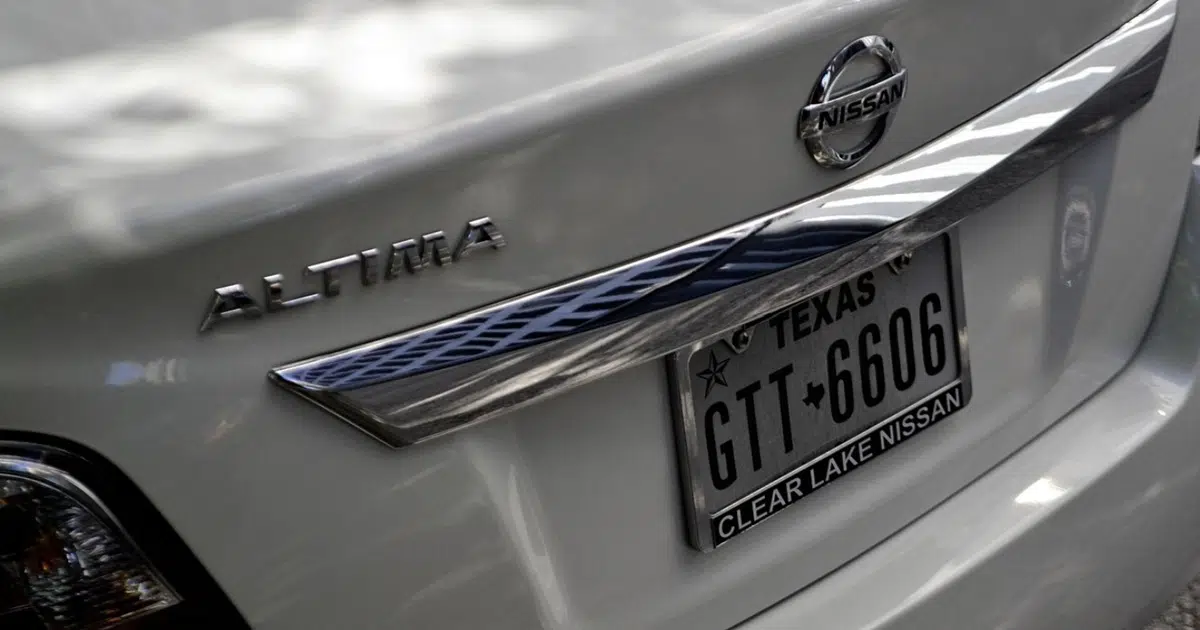
I have to admit, I felt a little weird standing in front of the old plates and thinking “can’t I just throw these away?” It seemed so harmless. Just two pieces of metal. But that moment started to open my eyes to the fact that I shouldn’t have tossed them without giving it some thought.
The Importance of License Plates
The plates are much more than just a couple of pieces of metal attached to your vehicle. The plates themselves are actually a part of the identification process used by state motor vehicle systems. The information associated with the plates includes your name, vehicle registration information, and may even include your past addresses. In several states, the license plates will remain registered to you until you officially cancel them. So, even if you sell the car, the plate itself may still be active under your name.
Imagine someone finds your old plate in the trash and decides to put it on their own vehicle. Technically, they can do that, though probably not too commonly. However, it has happened. If someone puts your old plate on their vehicle, they will likely receive toll violation notices, parking citations, and/or traffic fines. Getting those issues resolved afterwards can be an ordeal.
You also have to worry about license plate identity theft. While it’s not the same as having someone steal your Social Security Number, thieves have been known to use stolen plates to cover up their identities while driving their own vehicles. In extreme cases, they’ve even been connected to other crimes. Although the chances of it happening are low, the potential headache that comes with it is quite real.
Legally, it can also cost you money. Unpaid tolls. Insurance problems. Problems registering your new vehicle. As I’ve learned the hard way in life, fixing a problem is always easier than trying to prevent it.
State Laws Regarding Plates
This is where things become a bit confusing. While all states have laws regarding plates, each state treats them differently. Some states require you to turn in license plates to the Department of Motor Vehicles (DMV) when you cancel your registration or insurance. Other states permit you to transfer the plates to another vehicle. Finally, a few states allow you to dispose of them yourself, but only after you have cancelled the license plate registration properly.

Additionally, in some states, cancelling your insurance prior to surrendering your plates may result in additional penalties. I didn’t think of that. I always assumed that once I had sold the car, I was finished with it. Not always.
If you’re unsure what to do with your old license plates, you’ll want to go online to your state’s DMV website to find out. Usually, it takes only a few minutes to determine if you need to return the plates to the DMV offices or if you’re permitted to discard them yourself.
Trust me on this, it’s worth checking. Assuming the worst case is how troubles start.
How to Properly Dispose of Old License Plates
Once I had found out how to properly dispose of old license plates, I determined that the proper procedure is simple: you simply need to follow the correct order.
First, you must cancel the registration. This ensures that the plate is no longer active in your name. If your state provides you with proof that the plate has been cancelled, keep it. Documenting your cancellation is a great peace of mind.
Second, if required, return them. Some states will require you to mail in your plates, or bring them to a DMV office. It may seem like a hassle, but closing the loop is important legally.
If your state permits you to dispose of them yourself, please do not simply throw them in the trash. There is a reason people get caught with this type of mistake. Deface the plates so that the numbers cannot be reused. You can bend the plates, scratch through the plate numbers, cut through the middle (if you have the tools), remove any remaining registration stickers, etc.
While I did my own research using tin snips to cut through aluminum plates, I believe that most license plates are made of aluminum, making them recyclable rather than going to waste.
This is the best option if you are permitted to handle disposal yourself.
Can You Recycle License Plates?
In most instances, yes. Most license plates are made of aluminum and can be recycled. Many recycling centers and scrap yards will accept aluminum. Prior to recycling your license plates, please ensure that you have removed any remaining stickers and have damaged the plate number so that it cannot be reused again.
Recycling your license plates not only helps the environment, but it is also better than throwing metal into a landfill. It is nice to think that something that once identified your vehicle may now be used as something entirely different.
Before recycling, however, you will need to verify that your local recycling program accepts aluminum license plates, as regulations can differ from community to community.

What I Did With My Own
After learning why you should never throw away license plates, I changed my plans immediately. First, I cancelled the registration on my vehicle. Then I checked to see if I needed to return my plates to the DMV or if I was allowed to discard them myself. Since I wasn’t required to return mine, I peeled the stickers off, bent them in half, and took them to a recycling center. All in all, it took approximately 20 minutes. That was it.
However, I knew that I would not have to worry about receiving a toll charge six months later. That peace of mind? Well worth it.
License plates are not simply scrap metal. The plates are a direct link to your registration history and identity within the DMV system. Disposing of plates improperly may cause you financial burdens including fines, fees, or time-consuming legal battles.
Fortunately, managing them correctly is a relatively simple task. A few extra minutes today can save you from a world of trouble tomorrow.
So before you throw them away, take a minute to find out what your state requires you to do with old license plates. Cancel your registration. Dispose of them properly. Protect yourself and your wallet. Sometimes the smallest actions protect us from our biggest headaches.


