The convenience of having a bottle of olive oil right next to the burners seemed to make sense in many ways. For many individuals, the placement of the bottle near the stove continues to be the preferred method of storage, especially for those who live in a smaller home with limited counter space. However, as I soon found out personally, the benefits of convenience are no substitute for safety. The stove area is one of the most hazardous zones in the kitchen.
Heat rises. Flames erupt. Oil splatters. Temperatures fluctuate. Consequently, many professional kitchen safety experts advise against leaving this particular item near the stove.
The One Kitchen Item You Absolutely Cannot Leave Near Your Stove
The item is cooking oil. Olive oil, vegetable oil, canola oil, and aerosol spray oils are all examples of cooking oils. Cooking oils are combustible liquids and do not spontaneously ignite; however, as mentioned earlier, when cooking oils are subjected to heat, the likelihood of them igniting significantly increases. I quickly realized that cooking oils do not enjoy sitting at room temperature (or higher) for long periods of time.
Regardless of how much heat your cooking oil is subjected to (whether it is from a flame or merely the constant heat from your stove), the quality of the cooking oil deteriorates rapidly. The faster the oil spoils, the less flavorful your dish will taste. Over time, plastic bottles can warp or leak; glass containers can break if they get too hot and stay in contact with a burner for too long. Fires can easily result from either oil splashing onto a heat source or from oil containers failing due to overheated contents. Because the risk develops gradually, most people underestimate the danger.

Why the Area Adjacent to Your Stove Is Much More Hazardous Than Most Individuals Are Aware of
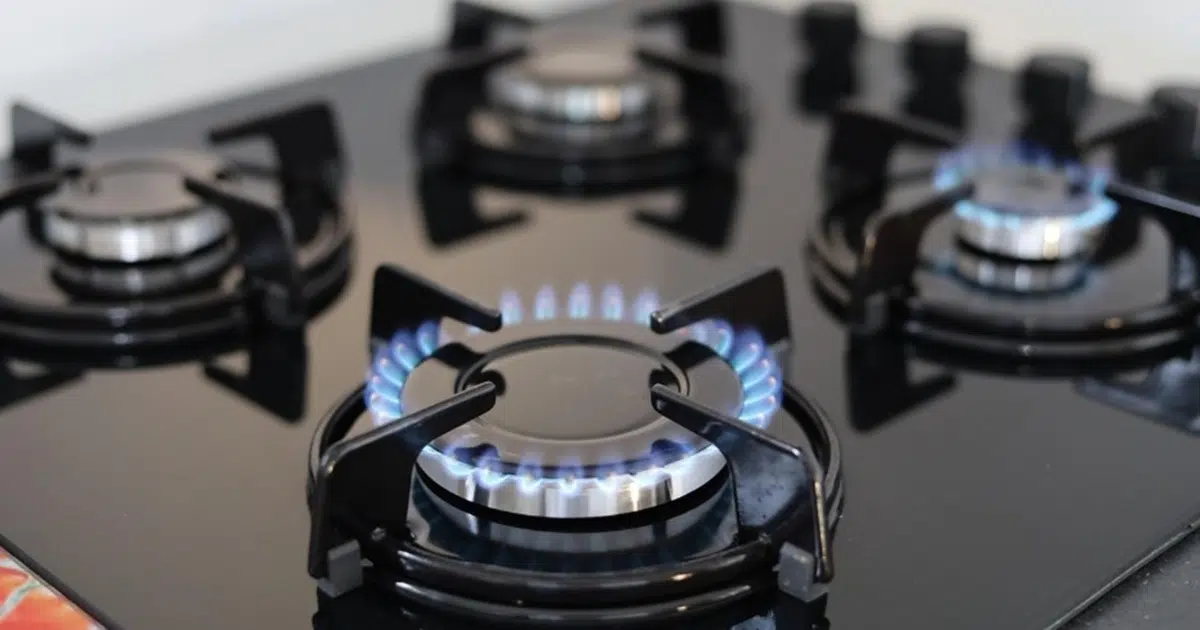
The area adjacent to a stove is far more than just another portion of your countertop. Heat radiates off the burners and short-lived bursts of heat are transmitted by your oven. Gas stoves create even more hazard because of the flames. Oil splatters typically go further than most would imagine, often landing on surrounding countertops, cabinets, and containers. The repeated heating and cooling of containers holding cooking oil eventually weakens the structural integrity of the containers.
Although the oil container itself may be sitting several inches removed from the burner, the surrounding areas, including cabinets and countertops, are still warmed by the low-heat steam generated from the rapid boiling of water. In my experience, the slow and steady heat emanating from these areas is the primary reason for the problems created by the area adjacent to your stove. Although it appears to be no immediate hazard, it ultimately creates an environment conducive to developing fires and spoilage.
Other Items That Typically Sit Near the Stove and Present Similar Hazards
Although cooking oil presents the greatest hazard when exposed to heat, it is by no means the only item that suffers in such environments. Paper towels present an obvious fire hazard and are commonly placed in proximity to the stove. Wood utensils can contract and/or scorch repeatedly from exposure to heat. Plastic containers housing spices can soften, melt, or give off unpleasant odors. Aerosol cooking sprays are particularly susceptible to heat and pressure changes. I always tell friends that they need not panic or feel compelled to totally renovate their kitchen immediately. The awareness of the hazards of your kitchen is the first step to improving your kitchen.
Due to the combination of flammability and frequent usage, oil is far more likely to cause a kitchen accident than most of the other items in your kitchen.

Where Should You Store Cooking Oil?
I recommend that cooking oil be kept in a cool, dark area, remote from heat-generating appliances. Pantry shelves offer an ideal location or a cabinet located in your food preparation zone but away from the stove. Light and heat both degrade the quality of cooking oil; thus, reducing exposure will help to maintain the quality of the cooking oil, preserve the flavor, and increase the shelf-life of the oil. Also, sealed containers are essential in maintaining the freshness of cooking oil and preventing spoilage. Based upon my own experiments, cooking oils that are properly stored will remain fresher for a longer period of time and will maintain their flavor better. A simple change can greatly improve the safety and performance of your kitchen.
If You Have a Limited Amount of Space in Your Kitchen: Safe Alternatives for Placement
Limited kitchen space often creates the illusion that there is no extra space to properly store items. I am familiar with this feeling. When space is extremely limited, you may want to consider using slide-out cabinets or lower drawers away from the stove. Another option is to store a heat-resistant container near the stove during cooking and then move the container to a cabinet once the cooking is complete. Shelf space can be utilized as well, provided it is located safely away from heat and flames. Finally, you may want to store a small pour bottle of oil near the stove and store it elsewhere once you finish cooking. Based upon my experiences, adopting this habit alone has reduced the risks associated with improperly locating cooking oil without hindering the convenience of using the oil.

Simple Safety Tips for Locating Cooking Oil Safely Near the Stove
Keep all flammable materials at least an arm’s length away from the stove. Never locate any materials that can melt, burn, or spray under pressure in the vicinity of the stove. Inspect containers regularly for signs of leaks, warping, or heat damage. If a container feels warm to the touch after cooking, it is located too close to the stove. These simple checks provide reassurance and minimize possible dangers.
The major take-home message is very clear: never store cooking oil next to the stove. The combination of cooking oil and heat creates a hazardous situation, regardless of whether an emergency exists. Relocating cooking oil to a cooler area will reduce the chances of a fire occurring and ensure that your food retains its flavor. This is not about instilling fear. It is about knowledge and being aware of your surroundings. By making a few simple changes, like the ones discussed, you can create a safer and more confident kitchen over time. Take a look at your set up and implement one change today. If this information was useful, please spread the word. Kitchens should be a place of comfort and not risk.