
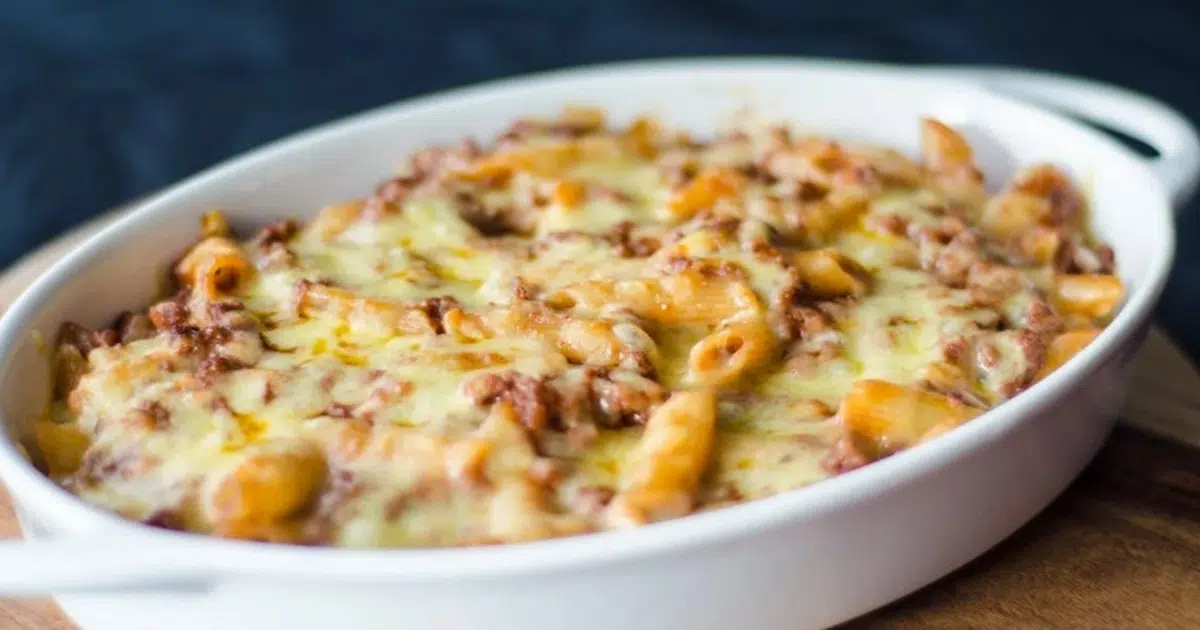
I’ve searched high and low, and I still couldn’t find a good homemade mac-and-cheese recipe that fit the flavor I wanted. Most of them tasted too heavy and too similar. I’d know exactly how every bite would taste. So, I went looking for something different. And that’s when I saw Martha Stewart’s secret ingredient to make mac and cheese better, tomato paste. Now, tomato paste in mac and cheese doesn’t sound like a great combination at first. It didn’t to me either until I tried it. After trying it, I realized why it works. Tomato paste isn’t supposed to add a tomato flavor to mac and cheese; it adds a sense of balance to the other flavors. It’s subtle, but it makes a big difference.
Martha Stewart Mac and cheese secret ingredient?
The secret ingredient to Martha Stewart’s mac and cheese is tomato paste. That’s the only ingredient needed. The original recipe comes from Martha Stewart’s mother, Mrs. Kostyra. Because of that, it looks like tomato paste has been around a long time and isn’t just a trend.
Because using tomato paste to make mac and cheese is such an easy thing to do, it really highlights how simple making mac and cheese with tomato paste is. To incorporate tomato paste, unlike most macaroni recipes, you mix it into the milk at the start. You don’t create a roux or melt butter to be the base of your macaroni and cheese.
This one step makes a huge difference!

Why Martha Stewart Mac and Cheese Secret Ingredient Works
Before I actually tried the secret ingredient, I couldn’t understand why tomato paste worked so well in mac and cheese. But after eating it, I was shocked at how much tomato paste affected the dish.
Tomato paste reduces richness
When you’re creating cheesy/dairy-based foods, it can happen quickly to have a very rich taste. Usually, acidity is used to counteract richness. In this case, the acidity in tomato paste is enough to counteract the richness without having a strong acidic taste.
Tomato paste adds a little sweetness
I know this sounds crazy, but tomato paste also gives a little bit of sweetness to your mac and cheese. This helps soften the harshness of the cheese and creates a smoother flavor profile.
Tomato paste enhances depth
In addition to giving your food a little sweetness, the umami flavor in tomato paste helps enhance the overall depth of your dish. Even though it won’t create a “strong” tomato taste, it does help create a deeper overall flavor profile.
Tomato paste helps thicken sauces naturally
Finally, while it might sound strange because we’ve always been told that we have to make a roux in order to thicken our sauces, tomato paste is able to do the same job as a roux without needing any extra ingredients.
Visually, one other small difference that you’ll notice when you add tomato paste is that the color of your sauce changes slightly. When you brown the top layer of your mac and cheese, you get a faint pinkish color. A few people might think this looks nice.
Is Martha Stewart Mac and cheese different than classic versions?
If you typically make mac and cheese in the classic way, this version will be different from what you are used to.
Traditional-style mac and cheese is made by melting butter and then mixing in flour to create a roux. Then you slowly stir in milk to create a white sauce called béchamel sauce. This takes attention, hence the reason that there are so many variations of this recipe based on preference.
Martha Stewart uses no roux. She mixes heated milk with tomato paste and then adds in melted cheese. This is now your base.
After you bake this version, it will yield a softer texture than traditional baked macaroni dishes. Very custard-like in texture, it will be lighter in weight, not light enough to be considered a healthy alternative, but lighter.
As a side note, please do not overcook this version of macaroni and cheese. Overcooking will cause you to lose the delicate texture that this creative twist on macaroni and cheese provides.

Other components contributing to success of Martha Stewart version
While tomato paste is obviously the key player in this creative take on macaroni and cheese, there are a number of supporting elements that help support its creation.
Cheddar and Swiss cheese: sharpness/melty
Both cheddar and Swiss cheese are perfect for this recipe because of their sharpness/meltability. Before I experimented with combining different types of cheeses, I tried replacing some of these cheeses with others. None were as good as cheddar/Swiss cheese.
Cayenne pepper: low level heat factor/enhancer
A tiny amount of cayenne adds a little bit of heat in the background of the dish. Don’t confuse this with being spicy, it’s simply warm.
Black pepper: slight pungency/prevents flatness
Adding black pepper will provide a little bit of warmth/pungency that prevents flatness from happening.
Butter dotting on top of dish before baking:
Dotting butter on top of the last layer of macaroni and cheese before baking creates a soft/golden-brown crust during baking. Butter melts and forms itself as part of the upper surface layer of this baked macaroni dish.
Top layering sour cream:
At first thought, putting sour cream on top of macaroni seems odd. When I first read this suggestion, I hesitated before even trying this method out. After adding sour cream to the top layer of this version of macaroni and cheese, I was thrilled to see how well it helped provide a cool/tangy contrast, surprisingly well.
All of these supporting components contribute positively to the final product, but none dominate the main component, tomato paste.

What does this version taste like?
People who want to know what this version tastes like should know that it doesn’t taste like tomato pasta whatsoever.
It tastes creamy, slightly tangy, and shockingly balanced. There is definitely richness present in this version of macaroni and cheese; however, it’s not overwhelming, it lingers nicely.
If I were to serve this version of macaroni and cheese to guests without telling them that it includes tomato paste (if they wouldn’t know), I bet they’d say it tastes better together, that’s basically how I describe it, the best possible description.


