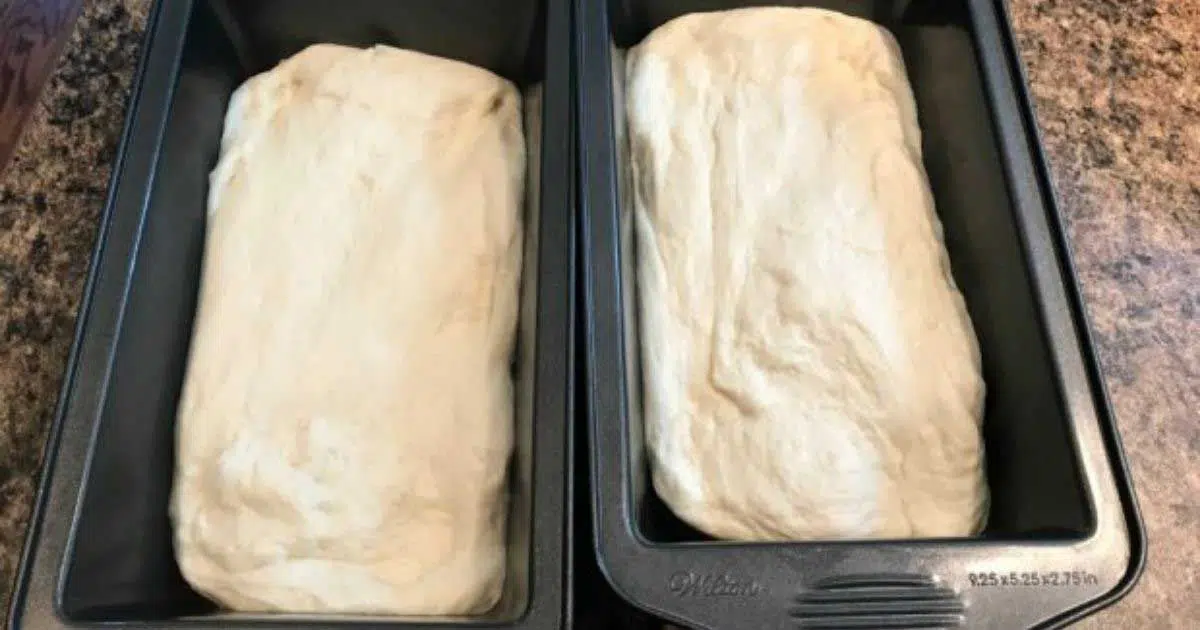
Before I started baking, I thought a pan was a pan. I owned one glass baking dish, a couple of dark metal baking trays, and a silicone muffin tray I bought on a whim. After burning some brownies, failing to cook banana bread, and creating some rock-hard cookies, I discovered that the type of baking pan and baking ingredients have a big impact on how my recipes bake.
If you have experienced a cake that takes hours to bake or brownies that are terribly baking unevenly, your problem is likely not the recipe, but the pan. Here’s what I have discovered about baking pans from a lot of trial and error, and how you can use my learning to create the best bake possible every time.
Why pan material matters
Different materials conduct heat differently. Some get hot very quickly and brown edges. Others heat slowly and hold the heat longer. This is great for cooking food evenly, but it can throw off a recipe if you are baking and not aware. Which means the dish you use for lasagna is not the same as dishing the cookies—certainly not the same use for angel food cake.

Glass baking pans: perfect for even baking and even harder to bake with sugar
I personally like glass baking pans for casseroles and any baking pasta dish because bake pots and Pyrex pans hold heat better than pans made of other materials. Glass pans don’t bubble like other materials, and the heat is evenly distributed, which are all functional attributes we look for in dishes that take time to cook.
What I learned is that glass holds heat and keeps cooking food even as it leaves the oven. This is useful for savory, but not as good for sweet. Due to the heat properties of glass, I’ve learned to drop the baking temperature by 25°F for glass dishes when baking something like brownies or cobblers, because sugar burns quicker in glass.
Best for: Lasagna, baked mac and cheese, bread pudding
Warning: Drop your temperature when hitting sweet baked goods like brownies to avoid over-browning.
Ceramic: Beautiful and Balanced
Ceramic is my favorite bakeware when I want something that has a little visual appeal on the table and bakes nice and evenly. It bakes in a similar fashion to glass, but with a little more visual “pop,” it’s basically functional bakeware that doubles as serving ware.
What I’ve learned: It uses heat retention and heat distribution in a similar manner to glass. I use ceramic for items that are served right out of the oven at the table, like enchiladas or baked French toast.
Best for: Casseroles, cobblers, gratins
Warning: It takes a long time to heat up, and it continues to cook even after you’ve taken it out of the oven, like glass.
Silicone: Most Flexible and Easy, but not for Everything
When I started using silicone bakeware, I was excited about the non-stick promise. And it is non-stick—the muffins pop right out and cleanup is easy. But I also quickly realized silicone is not the best for everything.
What I’ve learned: Silicone conducts heat poorly. This means longer baking time and less browning. So I now use it almost solely for muffins or cupcakes, when I want soft moistness, and little attention to crust. There’s no need for silicone when using a pan, except with things that need structure too like pound cake or quick bread because silicone doesn’t have much structure to provide.
Best for: Muffins, cupcakes, mini cakes
Caution: Baking times will be longer and it will not brown as much as if using a traditional pan. In any situation you use a silicone pan, always use a heavy baking sheet under the pan to avoid spillage.

Metal Pans: The bread and butter of baking
Metal pans—especially aluminum—are what I use most. They heat quickly, evenly, companies like to make lids out of the stuff for a reason. For things like cakes and cookies, they will rise like they are supposed to and brown better when using metal. You can’t just use any metal pan though.
What I have learned: Aluminum cooks fast and evenly, perfect for cookies and cakes. Steel is heavier, hard to heat up, but will hold its shape. If I’m using dark colors (when picking pans), I try to pay attention because they are absorbing more heat, which can cause the bottom (for some recipes) to brown faster. For larger recipe bakes, I line the pan with parchment paper as a safety precaution. If I can, I use insulated metal pans as they are beneficial for softer baked-type cookies to slow bake them and keep the end product tender.
Best for: Cookies, cakes, quick breads, sheet pan meals
Caution: Be especially wary of bake time, especially for dark or shiny metal.
Matching the Pan with the Recipe
Now let me get specific. Here is a quick overview of the types of pans I now use for common bakes, and why:
Brownies: I always use a light-colored metal or ceramic pan. Glass just gets too hot and burns the edges before it sets in the middle.
Cakes: Aluminum pans are my best friend. They rise nicely and bake through without drying out.
Muffins: Silicone all the way—no lining needed, and they clean out each and every time!
Roasted vegetables: I find that a sturdy metal sheet pan offers the best browning.
Lasagna: I have a ceramic pan that I always choose—it holds the heat, looks nice, and creates an even bake.
Bread pudding or baked oatmeal: Glass or ceramic, as they heat evenly and allow custard to set without curdling.
Choosing and Caring for Your Pans
No matter what you are baking, there are a few things I have learned from using and caring for my pans:
Don’t put acidic foods in aluminum unless it is anodized—tomatoes and lemon will react and produce a metallic taste!
Use parchment paper for stickier bakes, particularly in metal pans.
Check for warping, particularly in cheap pans, as they can twist in the oven leaving you with an uneven bake.
Replace scratched non-stick pans—I have had a couple of metal pans lose their coating over time, and it definitely affects performance (and safety of your food).
If you are using a silicone mold, double it up with a metal tray underneath to help stabilize in the oven.

No “One-Pan-Fits-All”
After many years of baking, I have grown to really appreciate having a small collection of trusty pans that serve different jobs. If you are just starting, a good aluminum cake pan, ceramic casserole dish, and probably a silicone muffin mold will get you started. You will see for yourself how much difference your pan can make.
I think after these years of baking, I have finally started to view pans as tools, not just containers. A pan that suits your recipe, timing, and success is an important part of recipe support. Your chewy cookies, golden cornbread, bubbling baked ziti—all baked to the top by the right baking pan. Every win after delicious win will come from using the best pans!