
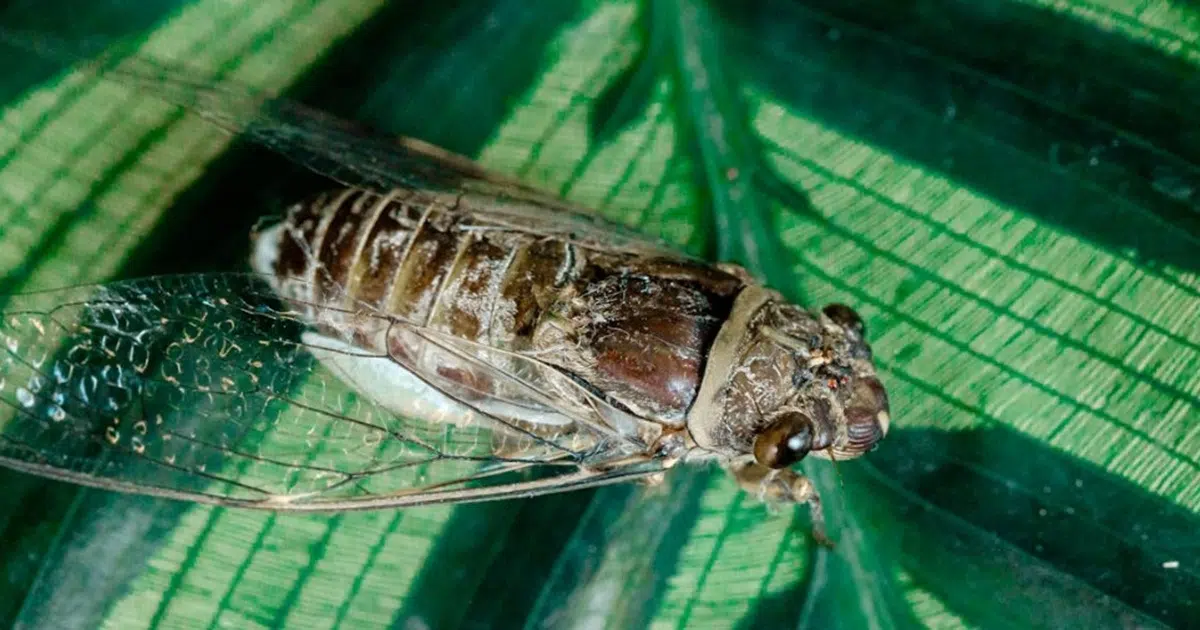
I remember when the first swarm of buzzing cicadas invaded my garden. The air was humming and I couldn’t help but wonder “Will they destroy my garden?” I had just planted a few young trees and to be honest, I was preparing myself for disaster. However, as I watched (and possibly panicked a little earlier than necessary), I found that the true nature of the threat was far less severe.
Although they appear quite aggressive, they create an overwhelming amount of noise, however their effect upon the landscape is relatively mild.
What are cicadas and how are they everywhere?
Cicadas live underground for the majority of their existence, quietly feeding on root systems. All of a sudden they emerge by the thousands. There are species of cicadas that emerge each year; and then there are the periodical cicadas (which come to surface every 13-17 years).
The “invasion” feel you get when you see them emerge is simply their means of protecting themselves against predators. This makes for a very loud, chaotic, and somewhat disturbing sight, but it’s temporary.
Will Cicadas Destroy your garden?
In general, cicadas will not destroy your garden. That may surprise you as much as it did me.
Unlike caterpillars that devour leaves and eat away at your vegetables or flower gardens, cicadas are not harmful in the same manner. So, you will not wake up to find your tomatoes stripped bare or your herb bed destroyed.
However, they aren’t completely harmless. Instead of causing damage to your entire garden, cicadas’ effects are generally localized to a particular area of specific types of plants. Once I figured this out, I ceased worrying about my entire garden and began concentrating on the areas of the garden that were truly affected.

Damage caused by cicadas:
The main reason cicadas can cause issues to your plants is due to how female cicadas lay eggs. To lay eggs females use a special tool to make a small slit in a thin branch and insert her eggs into that slot. Although this process sounds far worse than it typically is, it can result in something called flagging. Flagging is caused by cicadas laying eggs in the branches. Flagged branches are essentially dead branches that dry out rapidly and become brittle enough to snap or break off.
I saw evidence of this occurring in my garden in a young fruit tree I had recently planted. Several smaller branches appeared to have dried out over night. Not the whole tree, just the newer, thinner branches.
To put it another way: cicadas do not kill plants, they can weaken young trees. Established trees normally suffer no lasting consequences from being stressed by cicadas, although some mature trees may lose several smaller branches as a result of cicadas damaging the younger limbs. Vegetables, flowers, and herbs? Essentially none of those things will be harmed by cicadas.
Which Plants should you keep an eye on?
Now that we’ve covered why cicadas are unlikely to destroy your garden, if you’re concerned about whether cicadas could potentially destroy your garden based on how old your Plants are, this is where you’ll want to focus your attention. Young trees are the most susceptible to damage from cicadas. Newer shrubbery can also suffer from cicada infestations, particularly if they possess soft, slender stems. Fruit trees are similar to young trees in that they tend to grow limbs that cicadas favor for laying eggs.
Trees with established branches are significantly more robust and can withstand some degree of cicada Damage before experiencing any negative consequences.
Gardens containing vegetables or flowers? Based on my experiences, these were not a concern.
Protecting your garden from cicadas:
Fortunately, you will not require any advanced equipment or methods to protect your garden from cicadas. In fact, I discovered firsthand that over-reacting could potentially do more Damage than good.
If you have new trees, using fine mesh netting to cover them is a great method for keeping cicadas from reaching their branches to lay eggs. Believe me when I tell you that you do not want to miss doing this with new trees.
Additionally: if possible try not to plant new trees during peak cicada seasons. It will save you a considerable amount of stress.

Lastly: please refrain from pruning. Pruned branches can serve as magnets for cicadas as they prefer to feed on fresh, green tissue.
And please… Don’t even bother spraying pesticides. Pesticides will not effectively combat cicadas and will likely harm beneficial insects. As I demonstrated personally, simple protective measures such as mesh netting work better than chemicals any day.
Are cicadas beneficial for my garden?
You would never suspect that cicadas provide some benefits to your garden, but they do!
When they emerge from the earth cicadas create numerous holes throughout the topsoil thereby aerating it and improving its structural integrity.
Once their brief lifespan has passed, their bodies break down and provide essential nutrients back into the soil. Its not pretty, but it helps!
During cicada emergence periods I also observed an increase in bird activity within my yard. For wildlife, it’s essentially a buffet.
Will Cicadas Destroy your garden?
Following my personal experience with cicada invasions, I am confident in saying this: Will Cicadas Destroy your garden? Absolutely not!
While they may produce slight Damage to young trees, cicadas are certainly not the garden destroying pest people often believe they are. After ceasing my focus on merely listening to the cacophony produced by cicadas, and instead paying closer attention to the health of my Plants, managing my concerns regarding cicada invasions became infinitely easier.
Your garden may look slightly altered for a while, perhaps featuring a few limp branches here and there. Nevertheless, it will recover and probably sooner than you anticipate.


