
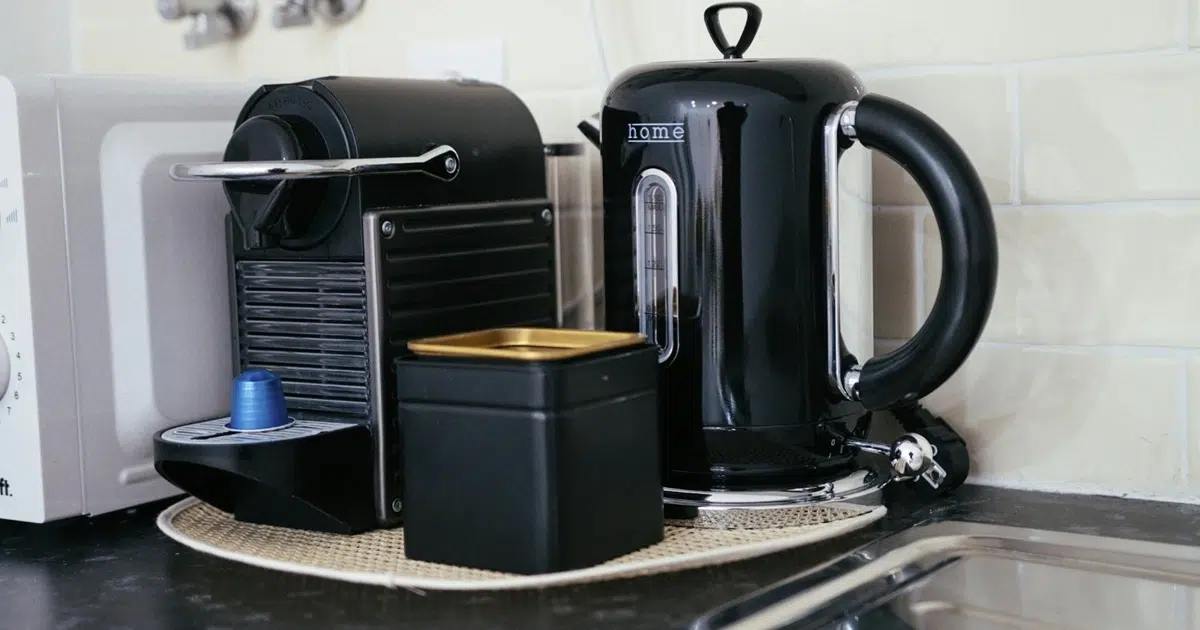
When I realized my home’s electrical system needed closer monitoring, it was simply because I noticed the kitchen lights flickering while I was using several appliances at once and heating food. Nothing serious happened, but the experience highlighted how easy it is to overlook just how much power everyday devices consume.
Some household appliances draw a great deal of electricity, especially those that produce heat or have large motors. And depending on how many appliances are drawing power at once, there may be too much of a strain on your home’s electrical system. In some instances, this could trigger a breaker. In more severe situations, repeated overloads may lead to problems with your home’s wiring and raise the potential for electrical hazards in your home. Knowing what appliances you shouldn’t run together will help keep you from needlessly increasing the dangers associated with electrical safety in your home.
Why Running Multiple Appliances Can Increase Risks
There is a maximum level of power that each electrical circuit can safely withstand. Whenever the total amount of power drawn by appliances within a circuit surpasses that level, the circuit becomes overloaded. Circuits typically “trip” their circuit breakers to stop the flow of electricity into the circuit and protect against damage caused by excessive power consumption.
Older homes may be even more susceptible to overloading due to less circuitry and inferior wiring. Although an occasional trip of a breaker might not be alarming, repetitive overloads should never be ignored. There are several factors that determine the degree of risk present based upon the type and quality of your home’s wiring, the number and capability of your home’s circuits, and the energy requirements of all of your appliances.

1. Space Heater & Microwave
Space heaters and microwaves are probably the two most common examples of appliances that should never be used at the same time.
Each appliance uses a lot of electricity. Cold weather makes it very easy to turn on a space heater in your home office while using the microwave to cook lunch. I’ve actually done that before myself, and it immediately reminded me of just how much power both appliances require.
When operated on the same circuit (and thus through the same outlet), both appliances can create such high demands on your electrical circuit that it could potentially cause your breaker to trip. Additionally, if you continue to subject your wiring to such extreme stresses (repetitive overloads), your wiring can become heated excessively and you’ll likely cut short the life expectancy of your electrical equipment. Wherever possible, consider running these appliances on separate electrical circuits or attempt to avoid running them simultaneously.
2. Hair Dryer & Portable Electric Heater
Hair dryers and portable electric heaters are generally among the highest-wattage household appliances you’ll find in nearly every home.
Typically, hair dryers and portable electric heaters are located in bedrooms and bathrooms, respectively. Many people use both of these appliances early in the morning, especially during cold weather. When running both appliances simultaneously, you’re creating an unusually high electrical load, especially in older homes whose electrical systems were designed for lower loads.
You may experience a variety of negative consequences including breaker tripping or blowing fuses and additional stress placed on older wiring. I personally experienced the importance of being careful with convenience after repeatedly having to reset breakers. To minimize the likelihood of such scenarios occurring again, I now make sure to use one appliance until completed before switching to another.

3. Washer & Dryer
While many homeowners assume that washing machine and dryer appliances are usually compatible to run together, that isn’t necessarily true for every homeowner.
As previously mentioned, both washing machines and dryers require a significant amount of electricity. Depending on whether you live in a new home (which may be able to accommodate both appliances via individual dedicated electrical circuits) or an older home (whose wiring may not be able to handle simultaneous high-power appliances), your washer and dryer electrical setup may not be capable of handling both simultaneously.
Operating both appliances simultaneously can increase the likelihood of power surges and add additional pressure to your electrical circuit. With prolonged exposure to excess stress, the increased pressure can ultimately lead to increased wear and tear on your electrical system. If you’ve noticed your light bulbs dimming during laundry or if you consistently have to reset breakers when doing laundry, your electrical system is likely experiencing undue stress.
4. Air Conditioner & Vacuum Cleaner
Using an air conditioner along with a vacuum cleaner is a different type of problematic combination.
Air conditioning units contain extremely powerful compressors that start and stop operation throughout the course of a day. Vacuum cleaners also possess extremely powerful electric motors that are required to utilize tremendous amounts of electricity during operation. These two appliances work well together to create rapid fluctuations in electrical demand that can be detrimental to some residential electrical circuits.
During last year’s particularly scorching summer, I attempted to vacuum while the air conditioner was continuously in operation and promptly had a breaker trip occur. Some residences utilizing this appliance combination may also encounter brief periods of reduced voltage that negatively impact appliance functionality and overall electrical safety in their residence.
5. Electric Stove & Dishwasher
Following a family dinner, many individuals tend to run their dishwasher while allowing their oven to complete cooking and cool prior to finishing up.
Electric stoves and dishwashers are two high-energy appliances that share similar operational characteristics. Dishwashers employ heating elements during specific portions of the wash cycle, whereas electric stoves require massive amounts of electricity to achieve desired cooking temperatures.
By running both appliances concurrently, you can significantly overload your kitchen electrical circuits. This is especially critical for older homes whose original electrical design may not have anticipated modern appliance loads. Therefore, as soon as possible after completing cooking with your stove, try to begin running your dishwasher.

Signs That Indicate Your Home May Be Experiencing Overload Conditions
A number of indicators exist that may suggest your home’s electrical system is dealing with excessive demand:
If you frequently experience tripped breakers, this may be indicative of excessive demand on your home’s electrical system. Dimmed or flickering lighting conditions can also suggest that your circuits are being strained. If you observe warm outlets, hear unusual buzzing emanating from outlets or breaker boxes, or smell burning odors, do not ignore them. Each indicator listed above indicates potential major electrical problems requiring professional inspection. If these symptoms recur, call a certified electrician who will assess your electrical system and alert you to any potential safety issues.
Generally speaking, people do not usually pay close attention to which household appliances are currently active. However, simply developing an awareness regarding this issue can help mitigate potential electrical problems and ease your home’s wiring from excessive strain.
Newer electrical systems may offer greater versatility for operating numerous devices; however, every home has its own limitations. By becoming aware of electrical appliance safety tips, assessing your home’s available circuit capacity, and identifying any potential warning signs, you can help prevent household fires and address other preventable issues related to electrical safety in your home.
To date, I try to stagger my usage of my higher-load appliances wherever feasible. Allowing merely a couple of minutes of consideration regarding when you can best utilize your high-load appliances will assist in maintaining protection for your home’s electrical system for years to come.


