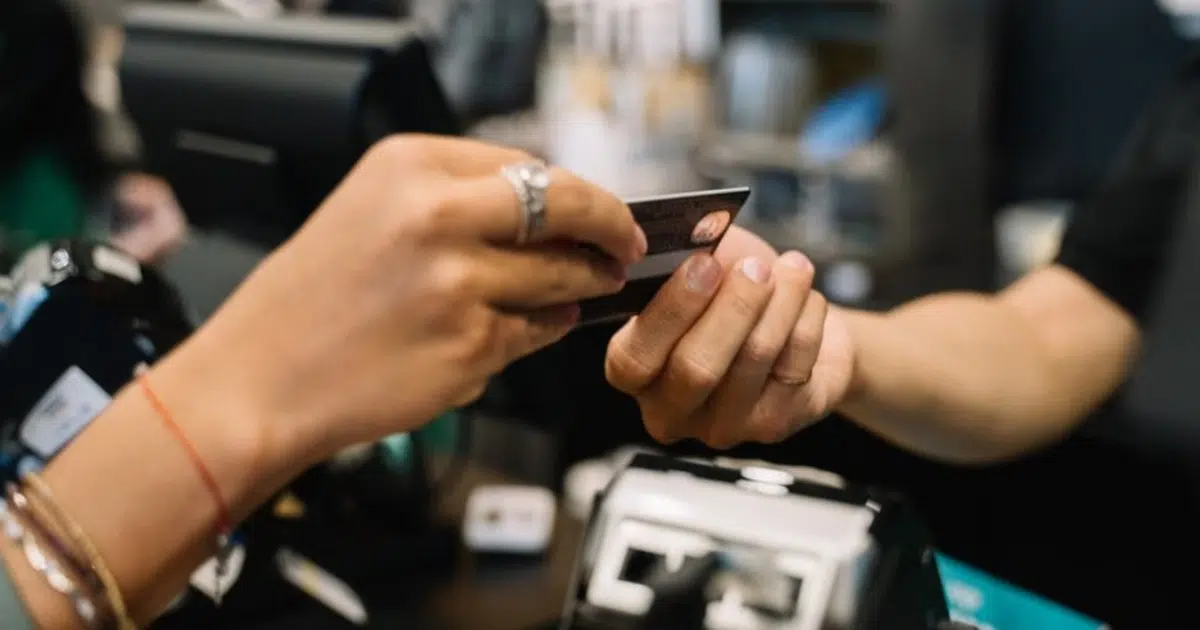
There I was at the hardware store, a bag of drawer pulls on the counter, when the cashier looked up and asked for my number so she could “pull up my warranty.” And I froze. That little pause where you weigh saying no against the four people shuffling behind you with lumber. It’s such a small moment, but it happens constantly, and I’ve long wondered why so many registers ask for your phone number before they’ll let you pay. Turns out there’s a mix of reasons, some genuinely useful and some purely about them, not you.
What Stores Actually Do With Your Number
Most of the time this isn’t the cashier being nosy. It’s company policy, handed down from a marketing team who wants data. Your phone number is a tidy little key. Give it up, and a store can often cross-reference it to find your mailing address, which is why so many places say the number “helps us send you special offers.” Translation: you may get coupons and catalogs in your actual mailbox.
The bigger prize is a customer profile. When your number is attached to a purchase, the store can quietly stitch together everything you’ve bought over months or years under one identity. Bought paint in March, a lawnmower in June, patio chairs in July, that all rolls into a picture of you as a shopper, which then shapes the deals they aim your way. Zip codes get asked for the same reason, especially at clothing and electronics stores mapping where their customers live. None of it is sinister on its own. But it’s worth knowing the number you rattle off out of habit is doing real work behind the scenes, and not always work that benefits you.

Loyalty Points, Receipts and Returns
To be fair, some of it genuinely helps you. Loyalty programs are the honest version of this whole thing. Lots of stores tie your points, member discounts and fuel savings to a phone number instead of a physical card, so you punch in ten digits and the register knocks money off. That’s a real perk, not a trick.
A number can also pull up a digital receipt, which is handy if you’re the type who loses paper receipts in the car door pocket. And returns get much easier. Skip the receipt hunt entirely, because the store looks up the transaction by your number and refunds you without the paper. So the trade-off is straightforward: you’re handing over data, and in exchange you get points, easier returns and a receipt you won’t lose. Whether that’s a fair swap is honestly up to how much you care about the data going out the door.
The Downside: Spam, Data Sharing and Robocalls
Here’s the part that made me start hesitating. Once your number sits in a store’s system, you don’t really control where it goes next. It can be stored indefinitely, shared with marketing partners, or swept up in a data breach, which happens to companies big and small more often than anyone likes.
I’d been getting a steady drip of spam calls and texts, some from numbers eerily similar to my own, a few times a day. I can’t pin that on any one checkout counter, and I won’t pretend I can. But every place you hand your number to is one more copy of it floating around, one more list you might land on. The more registers that have it, the more exposure you’ve got. No need to panic about it. Just understand that a phone number typed at a register isn’t a private thing anymore once it’s typed.

How to Politely Say No at the Register
The good news is declining is easy, and no cashier actually cares. It’s policy, not personal. A simple “No thanks” or “I’d rather not” almost always ends it. If they push, ask the magic question: “Is that required to finish the purchase?” The answer is nearly always no. Stores can complete your sale without it, even when the phrasing makes it feel mandatory.
A few other moves I’ve picked up. If it’s a loyalty perk you want, ask whether you can use a store-issued member number instead of your phone. Some registers accept a generic store lookup number for discounts. And you can almost always opt out of mailers and texts even after joining a program. Keep your tone friendly, because the person scanning your items didn’t write the rule, they’re just reading the prompt on their screen.
What I Do at the Register Now
These days my habit is boring and it works. I ask “Is it required?” and if it isn’t, I skip it, unless there’s a real discount attached right then. For loyalty stuff I care about, I keep a separate throwaway number that catches all the marketing texts so my main line stays quiet. The exact line I use, every time: “No thanks, I’ll pass on that.”