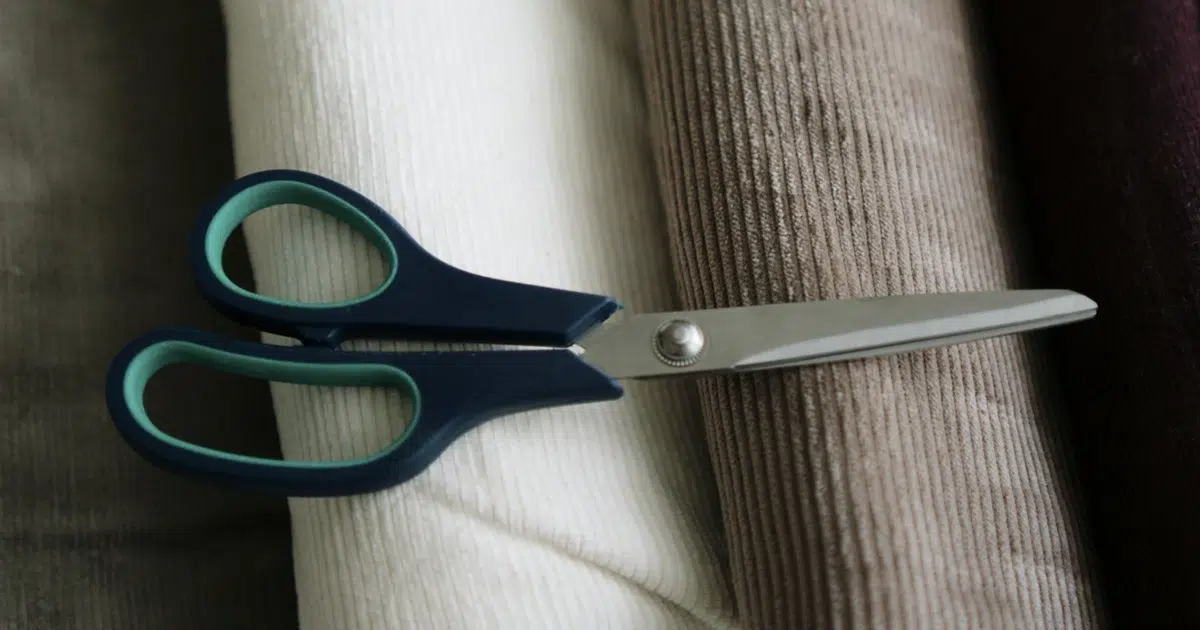
That upside-down pocket on your pants is a purpose-built tool pocket. It runs down the leg and opens at the bottom so a long, slim tool slides in from below and stays clamped against your thigh. The handle end sits where you can grab it.
So it isn’t a factory mistake. It isn’t a decorative seam, and it isn’t a slot that some designer forgot to finish. I know the confusion, because the first time I turned a pair of work pants inside out at a store, I stood there frowning at an opening that seemed to point the wrong way. My honest first thought was that the pants were defective. They weren’t.
The part most people get wrong is assuming a downward opening makes the pocket useless. There’s even a running joke online about people trying to stuff a banana in one and watching it drop straight out. Fair enough. A banana is exactly the wrong shape. This pocket wants something long and rigid, not soft and short.
What the Downward-Opening Pocket Actually Holds
Picture a narrow vertical sleeve stitched along the outside of the thigh or lower leg. Instead of opening at the top like a normal pocket, it opens at the hem end. You feed a long tool up into it, and the fabric grips the shaft.
On outdoor and work pants, this kind of slot is shaped for a specific slim tool. Think a folding saw, a long knife, a ruler, or a slim pruning tool. Some heavier work pants pair a leg sleeve like this with a loop to hold a hatchet or hammer handle. The exact fit depends entirely on the pants, since these pockets aren’t standardized across brands.
What surprised me is how snug it feels once something is loaded. The long, narrow shape of a tool pocket is what keeps the contents from rattling around. Your leg presses the fabric against the tool, so it rides quietly while you move. A regular cargo pocket flopping open at the top can’t do that with a long object.
This is also why the slot looks odd when empty. It’s cut to hug a shape you aren’t wearing yet.
How the Upside-Down Pocket Keeps a Tool Secure
The mechanics are simple once you see them in action. The sleeve is narrow, so it grips the tool along its length rather than letting it swing. Because the opening faces down, you draw the tool straight out with a downward pull, even while walking.
A top-opening cargo pocket has the opposite problem. Crouch, bend, or scramble over something, and a top opening tips toward the ground. Loose contents can spill. Good cargo pockets fight this with closures and shaping, but a long tool still tends to fight a top-loading pocket.
The downward sleeve dodges that entirely. There’s less to snag on brush too, since the tool sits flat against your leg instead of poking out of an open top. For anyone pushing through foliage, that flush profile means fewer catches and less fumbling. It’s a quiet detail, but it’s the whole reason the pocket exists the way it does.
Why Work and Outdoor Pants Use This Pocket
Specialized pockets on pants go way back to functional workwear. The classic five-pocket pant grew out of durable work clothing, built for people who needed their gear reachable while their hands stayed busy. Carpenter and utility pants added ruler pockets and tool sleeves for the same reason.
Outdoor and tactical pants carry that idea forward. The goal is hands-free carry and quick access in the field. You want a tool right there on your leg, not buried in a bag you have to stop and open.

There’s an interesting side note here. Many of these leg slots are ruler or tool sleeves rather than general storage, which is part of why they hold their shape better when empty. It’s a cousin of the way some pockets have small hidden functions people never notice, built for one job and quietly good at it.
So You Found One on Your Pants
If you’ve got one of these and you’re not sure what it fits, a little investigating goes a long way. Here’s what I’d check:
- Measure the slot’s width and depth so you know what length and thickness it can hold.
- Look for a matching loop, snap, or reinforced stitch nearby, which usually hints at a specific tool.
- Note whether it’s on one leg or both, since paired slots often mean tool-and-holder duos.
The practical takeaway is that this pocket was designed for a specific slim tool, not your phone and definitely not a banana. If yours is long and narrow with a downward opening, a thin folding saw or a long ruler is almost certainly the shape it was cut to hold.