

When it comes to maintaining your vehicle, one often overlooked yet crucial aspect is the condition of your tires. Ensuring your tires are in good shape is not only a matter of road safety but also a smart financial decision. With a simple household item – a penny – you can easily gauge the tread depth of your tires and determine whether it’s time for a change.
Spotting Signs of Wear and Deterioration:
Before delving into the penny test, it’s important to recognize signs of wear or deterioration in your tires. Aging is a natural process, and tires are no exception. After about six years of regular use, the rubber in your tires may start to crumble and, in some cases, even break. This deterioration compromises the tire’s structural integrity and, consequently, your safety on the road. By the time a tire hits the decade mark, the risks of driving on it become too significant to ignore.
The Penny Test:
So, how do you know when it’s time to bid farewell to your old tires or evaluate the ones you’re thinking of purchasing? Enter the penny test. It’s a straightforward and effective way to check tire tread depth.
Grab a penny and insert it into the tread groove of your tire with Lincoln’s head facing down. If you observe that the silver outer rim, about 1/8 inches, remains clearly visible on the tire’s surface, it’s a clear sign that the tread has worn down significantly. Repeat this test at various points around the tire’s circumference to ensure a comprehensive assessment. This method is not just for tires you currently own; it’s equally handy for evaluating the tread on tires you’re considering for purchase.
Understanding Tread Depth:
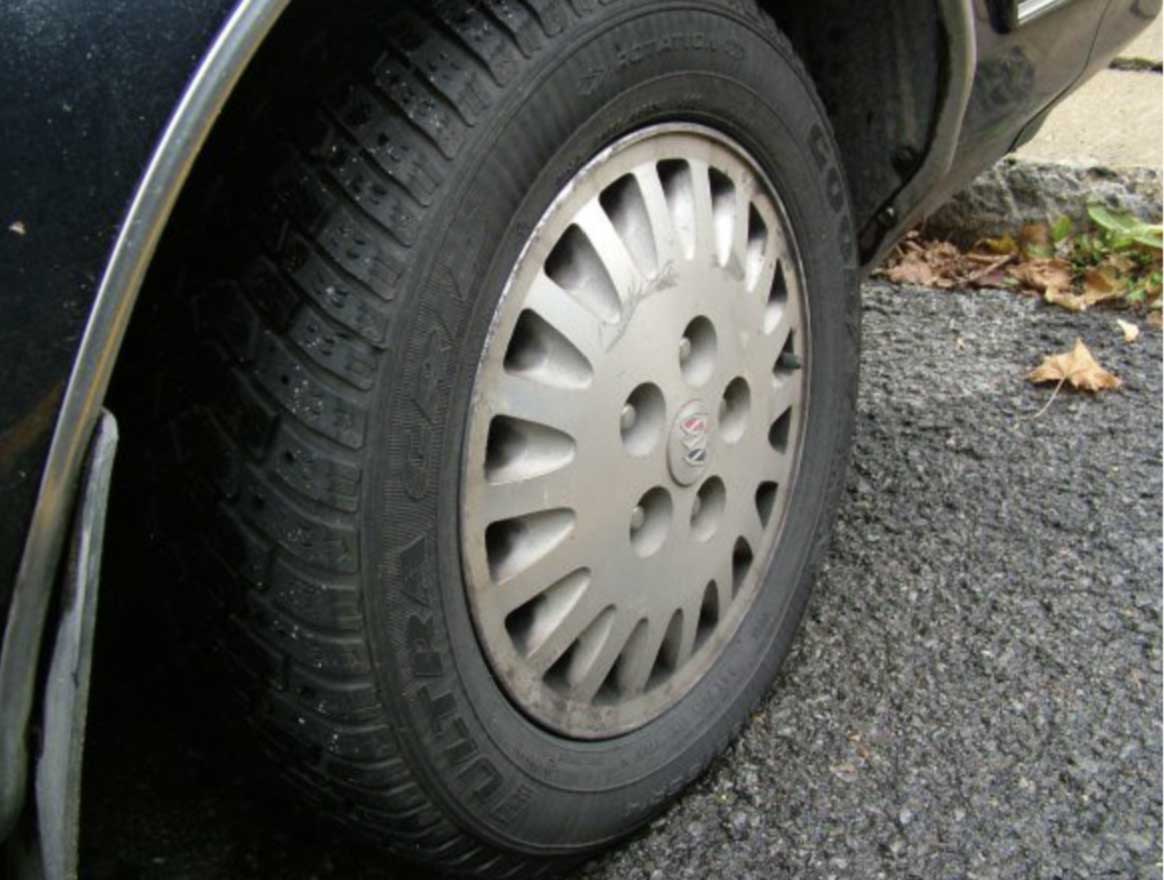
New tires typically come with a tread depth of up to 10/32 to 11/32 inches. While it might seem like a minor detail, experts recommend a minimum tread depth of 5/32 inches for winter tires to ensure adequate traction in slippery conditions. For summer tires, a tread depth of 1/8 inches is advised. Keeping an eye on these measurements can make a significant difference in your driving experience, especially in adverse weather conditions.
Why Should We Care About Tire Well-being?
Now, you might wonder why fuss so much about tire well-being. Well, the answer lies in the very essence of road safety. Tires are the only point of contact between your vehicle and the road, and their condition directly affects your vehicle’s handling, braking, and overall performance. Worn-out or improperly inflated tires can lead to reduced traction, longer stopping distances, and an increased risk of accidents.
Moreover, maintaining healthy tires is an economical choice. Regularly checking and replacing worn-out tires not only ensures your safety but also contributes to better fuel efficiency and prolongs the life of your vehicle’s suspension components.
Taking a few minutes to perform the penny test can save you from potential hazards on the road. It’s a small effort that goes a long way in ensuring your safety, your passengers’ safety, and the well-being of your wallet. So, the next time you’re wondering about the state of your tires, reach for a penny and let Honest Abe guide you on the road to safer travels.


