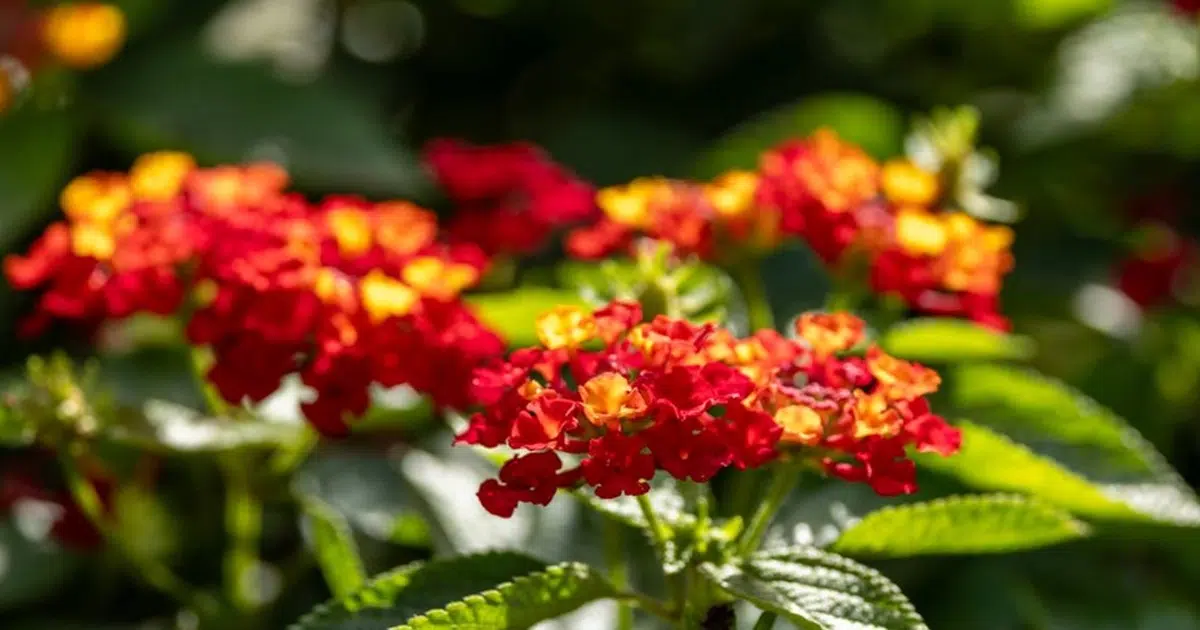
I did not wake up one day with a clematis obsession. It just sort of happened. Purchased one on sale, one of those impulse buys at the nursery where you’re all, “Hey, that looks dramatic, maybe I’ll give it a go.” That was mistake number one. Not because clematis is difficult (it’s not in the strictest sense of the term) — but because I didn’t realize it had … expectations.
I stuck it in the dirt. Watered it sometimes. Didn’t think too hard about it. And what I got? Picture a vine, barely hanging on, sad little green shoots curling like cooked spaghetti. Flowers? Forget it. I was googling “why does my clematis hate me” by June.
Turns out—of course—it all comes back to fertilizer. Which I wasn’t even using. Or maybe I was, but wrong, and randomly, like shaking salt on fries. Doesn’t work like that with clematis. At all.
Fertilizer: Not a Suggestion, Apparently
Here’s the thing nobody tells you until your plant is dying: clematis isn’t exactly needy, but it’s also not winging it. It wants food, but the right kind, and—this part matters—a schedule. I used to think plants just kinda found their way. Not clematis. Give it the wrong nutrients or bad timing, and it either turns into a jungle of leaves or just gives up and stares blankly at the sky.
So what does fertilizer do for it? Everything, honestly.
First, it gets the roots going. Especially in the first year, when the plant’s just trying to figure out if it lives here now.
Then it supports vine growth—like actual structure, not just floppy tendrils.
More importantly, it helps flower buds show up and stay. Without food, clematis forgets it’s a flowering vine.
And after a big bloom? It helps the plant bounce back instead of going into post-flower depression. Which, yes, is a real thing. I swear.

So When Do You Feed It? (Because I Kept Guessing Wrong)
Okay, I’m gonna break this up, not because it’s complicated, but because I kept screwing up the timing. Every time I’d feed it, it was like the plant looked at me and said, “Too late, genius.” So here’s how I remember it now.
1. Early Spring – The Wake-Up Call
As soon as you see green tips coming out of the ground—like, the moment it starts to wake up—give it food. Balanced fertilizer. 10-10-10 is fine. Or some slow-release flowering plant mix. Don’t overthink the brand. The point is, the roots need a jumpstart. They’ve been underground doing nothing all winter. This gets them moving.
2. Just Before It Blooms
Usually late spring or early summer, depending on the clematis variety. This is where you pivot. No more balanced stuff. Now you want something with more phosphorus. It’s the middle number on the bag—like 5-10-5. It tells the plant, “Hey, stop making leaves and start making something people actually want to look at.”
3. After First Bloom – Mid-Summerish
If your clematis is one of those repeat bloomers (and I hope it is, because it’s way more fun), it’ll need a snack after the first show. Don’t go crazy here—just a little of that flowering formula again. Like, half-strength. It’s more about stamina than bulk at this point.
4. Late Summer to Early Fall – Optional But Maybe Helpful
Only do this if your plant’s been around for a few years and seems like it can handle it. A little organic boost, compost tea maybe. Worm castings if you’ve got them. The idea is to feed the roots as they wind down, not to force new growth. Absolutely no high-nitrogen stuff this late—it’ll push out soft, new growth and then the first frost will kill it and you’ll hate everything.

How You Feed It Actually Matters
I thought fertilizer was fertilizer. Toss it on the dirt, hope for the best. Nope.
Granular fertilizer is good early in the season. Just scatter it around the base—don’t bury it—then water it in. Deep watering. Otherwise it just sits there doing nothing. Or worse, it burns the roots if the soil’s dry.
Liquid feed is better during blooming season. It acts fast, which clematis seems to appreciate. I do it every three or four weeks during the summer. But again: water the soil first. Dry roots plus liquid fertilizer equals crispy edges. Ask me how I know.
Organic stuff—compost, aged manure, worm castings—works like slow magic. I top-dress around the plant early spring and again mid-season if I’m feeling ambitious. The nutrients release slowly, and it seems to keep the plant… I don’t know, grounded? Like it knows you’re not rushing it.
Oh, also. Mulch. Not just for looks. Clematis likes its roots cool. It’s weird, like it wants sunshine for the top half and a nap in a cave for the bottom. Mulch keeps the soil temperature stable and helps with moisture, so the fertilizer doesn’t just evaporate.
All the Dumb Stuff I Did (So You Don’t Have To)
Let’s talk about mistakes. I made every one of these. At least twice.
High-nitrogen fertilizer: This is what you reach for when you don’t know what you’re doing. The plant goes nuts with leaves, climbing like it’s trying to escape the yard, but no flowers. It’s like feeding it energy drinks. It looks busy, but it’s not doing anything useful.
Feeding in the fall: This is one I still feel bad about. Plant looked great, I thought, “Hey, let’s give it a boost.” It pushed out new green shoots in October, looked amazing for a week, then the cold came and wiped it out. Bad idea. Stop feeding by early September.
Too much fertilizer: You’d think more = better. It doesn’t. Too much burns the plant or throws everything out of balance. Always go lighter than you think.
Dry soil + fertilizer = pain: Honestly, this is the big one. Always water first. Then fertilize. Not the other way around. Just trust me.
Ignoring soil pH: I didn’t even know soil had a pH the first year. Turns out clematis prefers it between 6.5 and 7.5. If the soil’s too acidic, it doesn’t matter what you’re feeding it—it won’t absorb right. Get a test kit. They’re like ten bucks. Worth it.

Anyway, my clematis now blooms so aggressively that it looks almost fake. It wasn’t always that way. It took a season or two of experimenting, and a lot of self-doubt. But once you figure out the feeding thing, it’s as if the plant suddenly remembers that it is supposed to be a superstar.
If yours is just making vines and you’re still waiting on flowers? Yeah. It’s probably hungry. Or confused. Or both.
Feed it right, and wait. It’ll surprise you. Eventually. Probably.