
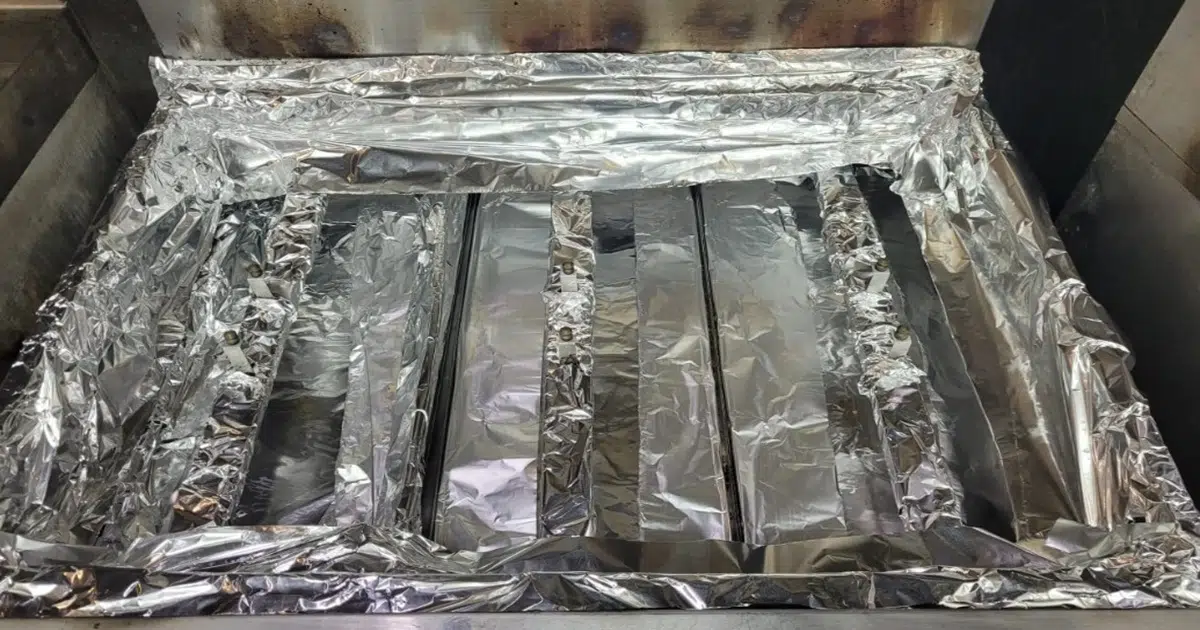
So, I’ve made some poor choices in the kitchen. Just one time, I foolishly made the decision to roast a tray of vegetables (pretty sure it was Brussels sprouts or something equally innocent) on parchment paper at 500°F. Crazy, right? Yea, I wouldn’t recommend it. The kitchen filled with smoke, it smelled for at least an hour like someone attempted and failed to toast printer paper, and the smoke detector didn’t go off (somehow), but it totally could have. Lesson learned: those two things—parchment paper and aluminum foil: NOT the same. NOT at all remotely. And if you’ve ever stood in front of your oven holding both rolls as if you are trying to select between two morally ambiguous characters in the series finale of a TV show, this isn’t just you.
It’s not just “what’s to be used” or “what your mom always used.” They do each have their own characteristics. Using the wrong one isn’t just hilariously inconvenient, but can ruin the food, ruin your mood, and sometimes ruin fire safety.
Parchment vs. Foil: Not the Same, Not Even Close
I mean, yes, when you are groggy and trying to line a pan at seven in the morning it might look a little similar, they can both be found in a box with an annoying cardboard flap and a serrated edge that always tears strangely, after that they couldn’t look more different. One is paper-ish and soft and sort of flimsy-feeling, the other is shiny and metallic and seems like it could probably conduct electricity (and it does, so don’t mess with it). It’s basically two cousins that haven’t spoken in ages. Paper for Baking: Great for Cookies, Not for Fire
So parchment is this treated, heat-resistant paper—coated in silicone, if you want to be technical. That’s what makes it nonstick. It’s why you can bake gooey chocolate chip cookies and have them slide right off without a spatula doing battle. Perfect for baking. Perfect for delicate stuff. Even fish.
But. There’s a ceiling on temperature. Like a literal limit. Around 450°F it starts to brown and curl, and up into the 500s (as I learned the hard way, thank you very much) it can scorch. Usually not flames, but enough to make your kitchen smell like you burned toast in a library.

Also—it’s non-reactive. Which just means if you are using tomatoes or anything lemony, it won’t turn weird. And you don’t have to worry about oil or spray. That’s half the fun. You just plop it down, shove your food on, and then when it’s done, the mess comes off with it. Cleaning the tray is like a two-second gig. Unless you are using it where you shouldn’t—like under the broiler or in a hot air fryer that doesn’t have weights to keep it down. Then it floats around or charred or both. Kind of a diva, if we are being honest.
Foil: The Scrappy, Heat-Proof, All-Things-Considered Option
Aluminum foil though? Total opposite. Foil doesn’t care about heat. Broilers, grills, oven cranked to 500°F—foil just exists in the space and shrug. It’s the cast iron of disposable baking sheets. You can fashion it into a tray (as I often do with a whole salmon), encase it around a whole salmon, or seal up one of those dinner packets with veggies, protein, and whatever wayward herbs or spices you remember or want to try. It holds its shape, it holds in the heat.
But it is sticky. Like, can be sticky. Foil isn’t non-stick unless it literally says it is (which, yeah, exists), so if you forget to add oil (or spray), good luck trying to pry your food off in one piece. Been there, pulled the skin off a whole chicken thigh trying to flip it.
Also – and not everybody knows this – it reacts with acidic stuff. You put lemon or tomato sauce directly on it and the foil can develop little holes. Which is … unsettling, if you think about it too much. It can mess with the flavor, too – there’s a faint metallic thing that happens. Maybe not dangerous, but certainly disgusting.
Where it can really shine – no pun intended – is roasting stuff and you want those crispy edges. Or if you’re just trying to avoid washing a pan after making bacon or something greasy. And in air fryers? It can provide better outcomes than parchment, because you can mold it to the pan and it won’t flap around and block airflow. So you get crisper results.
Okay So.. When to use which?
There is a sort of flowchart here, if you want to call it that. Not a real one. Just – some simple “don’t fck this up” logic:
Anything cookies, pastries, delicate baked things? Parchment. Always. Don’t even think about foil, unless you like pulling sugar-welded caramel off of metal.
Roasted vegetables? That’s somewhat tricky. If you want them soft and steamy, use parchment. If you want them deep golden brown and crispy? Foil’s probably best. More browning, more mess, but worth it.
If you are broiling or grilling? Foil. Don’t even joke about parchment – it’s going to burn.
Anything with acid – lemon chicken, tomato-glazed meatballs, the list goes on? Parchment is safer. Foil can react badly in some cases, and make strange things happen.
Foil-packed meals? Ehh, use foil – parchment can’t hold up under steam and folds like that.
Air fryers? Technically both work, but foil is less “risky” when it comes to airflow, especially if you can mold it to the basket. Parchment can work too, just punch holes in or weigh it down so it doesn’t flap around like a napkin in a wind tunnel.
Is One Healthier Than The Other?
This comes up often. People’s hearts skip a beat when they read about how foil can leach aluminum into food – and okay, technically yes, it can. Especially with an acidic item. But most expert opinions out there seem to indicate it’s not too big of a deal in so-called normal amounts. That said, if you find that frightening, then just avoid using foil with anything acidic; parchment never has that issue. Parchment is safe for food and does not react with anything. So, if you’re going to worry about anything, let that dictate your choice.
Who Won the Cleanup? Parchment unquestionably wins. No question, no contest. A nonstick surface by definition; and when it’s done, you can lift it off of the tray, and boom, there’s your mess, contained. Foil can be nonstick too, if you oiled it properly, but if not, stuff will stick. Like, really stick. Scrubbing baked-on, caramelized cheese off of foil is punishment from the cooking gods.
Still—foil can be better with messes. Anything greasy, that might dribble down into your oven, or something you want to seal and throw in the fridge? Foil’s the one.

Which Is More Eco-Friendly?
Neither is great, honestly. Parchment can be composted, if it’s uncoated (if it is, it gets complicated), and hasn’t been soaked in grease or moisture. Foil is recyclable; but again, if it is totally clean. If it’s covered in ranch, sauce, or melted cheese? Trash it. So neither are exactly fantastic. If you’re truly concerned about waste (which is valid), look at silicon baking mats as a replacement to parchment, and maybe even reusable foil liners if you’re adventurous.
So… What Should You Actually Do?
Don’t choose sides. Just… understand when each is best to use. I have access to both all the time in my kitchen. Parchment is for baking or fragile items. Foil is the right choice when roasting, sealing, broiling, or making a disaster-proof food packet, or just to save having to wash one more casserole dish.
Air fryer? Tough call. I just wing it, but generally I go with foil unless it is really delicate.
This is not a “winner takes all” thing. It is more about matching the tool to the job. Just as you don’t slice bread with a steak knife; same idea. If you remember that parchment fits lower-to-moderate heat items and sticky or acidic items, and foil is better suited to higher heat items, shaping items, or sealing items, you will be fine.
Oh—and for the love of god—don’t roast anything at 500°F on parchment, unless you want to see if your smoke detector works. Or freak your pets out.
Use parchment for cookies, pastries, fragile items, acidic items, or easier cleanup. Use foil for roasting, broiling, food sealing, shaping liners, or dealing with higher heat items. And if air frying? Use your discretion.


