
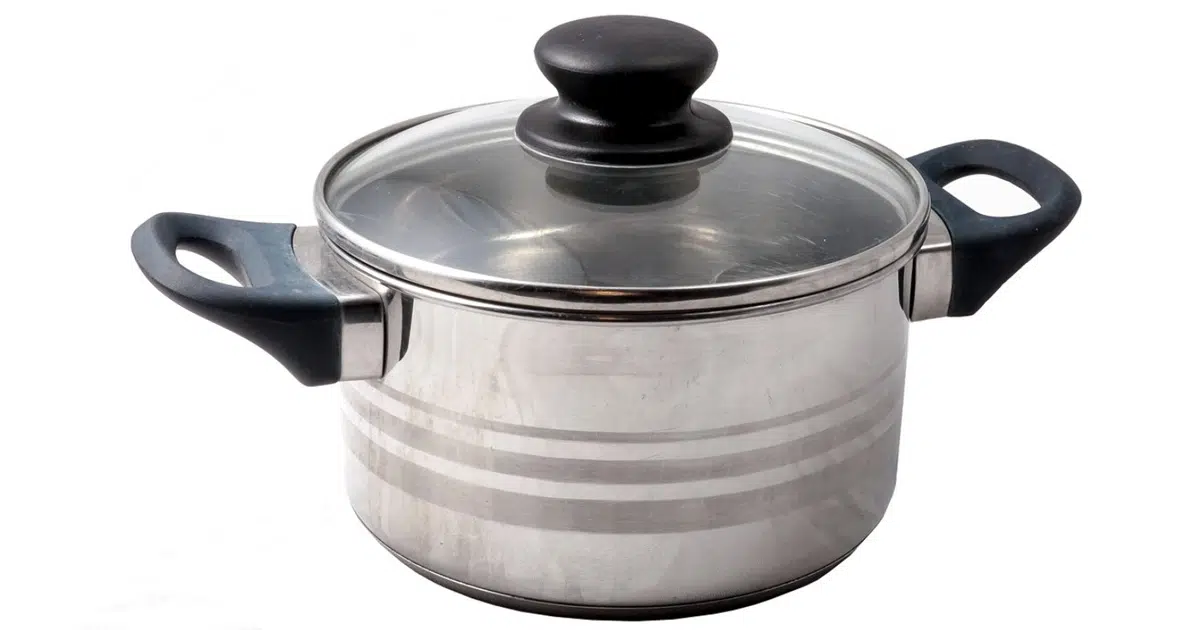
My most vivid memory about this experience involved the day I stood in front of my sink and was rubbing my third or fourth stainless steel pot in an attempt to get rid of a film that seemed stubbornly resistant to all types of soap and scrubbing. I thought it was clean, but I knew it was not. The dullness and cloudiness were frustrating, as well as the fact that regardless of how many times I scrubbed it, it simply would not come off. I even went so far as to soak it overnight, believing that perhaps I had ruined it.
However, I later read the Martha Stewart tip for cleaning cloudy pots and pans. While I did have reservations initially regarding this method due to the simplicity of it, I believed it had potential. So, I decided to test the theory, and the result was very pleasing.
Why Do Pots Turn Cloudy
Initially, I thought that maybe I had overheated the pan or perhaps used incorrect soap. As I researched further, however, I discovered that cloudy stainless steel is more than commonly occurring among cooks.
Some of the primary factors contributing to this include hard water. Hard water contains large quantities of minerals such as calcium and lime. These same minerals deposit themselves onto the surface of your stainless steel after each wash. In time, these deposits become more apparent, and contribute greatly to the cloudy appearance associated with hard water.
Another reason is the type of soap being used. Although you may believe you are rinsing well, the majority of soap will remain on the surface of your stainless steel cooking utensils. It will continue to create the dull appearance and cloudy residue.
Lastly, you have the possibility of thermal discoloration. Cooking at extremely high temperatures can cause changes in the color of your stainless steel. These changes can result in a loss of shininess to your stainless steel.
Fortunately for us, neither of these issues signify damage to our cookware. They merely indicate that we need to clean them correctly.

Cleaning Tip from Martha Stewart for Cloudy Cookware
The Martha Stewart cleaning tip for cloudy cookware is quite easy. To clean your cloudy pots and pans, she recommends using a product called CLR (Calcium, Lime & Rust Remover).
What interested me was that this tip came directly from her cleaning assistant. This lends credence to the fact that this is a practical tip based on actual testing.
CLR is able to successfully break down mineral deposits and other forms of buildup that typical dish soap is unable to dissolve. This cloudy film that covers the surface of your stainless steel? More than likely it’s just a collection of minerals sitting on top of the stainless steel. CLR specifically addresses these types of problems.
Using CLR is by no means difficult or expensive. It is simply utilizing the correct tool for removing mineral buildup.
How I Applied This Tip Using Each of These Steps
I wanted to test this tip on one of my cloudiest pots. Rather than jumping into action immediately, I took a measured approach.
To begin, I applied a small amount of CLR to the surface. Believe it or not, you do not require a lot of CLR in order to accomplish the task.
Next, I allowed it to sit for a brief moment, approximately one to two minutes. Since I did not desire to run the risk of causing any damage by allowing it to sit for too long, I opted for caution.
Following this, I rubbed the surface gently with a soft sponge. Due to the nature of the material (stainless), I didn’t have to apply excessive force in order to effectively clean the area.
Last step: Rinse thoroughly with warm water, then follow up with standard dish soap to ensure everything is properly cleaned.
Once I finished drying the pot, I noticed the difference instantly. Although my pot certainly did not appear brand new, I was pleased to notice that the cloudy film had diminished significantly.
Safety Precautions That Are Important Before Trying This Tip
Prior to attempting this tip, please note several safety precautions that you should consider:
- Wear rubber gloves. CLR is a potent chemical and you don’t want it lingering on your skin.
- Be cautious about how long you allow it to sit on the surface. Keep contact time minimal.
- Thoroughly rinse after applying CLR. Following application of CLR, wash your pot once again with mild dish soap and hot water to remove any residual CLR.
- Note: This tip is not suitable for all surfaces. This tip is generally effective for stainless steel surfaces. Avoid applying CLR to surfaces that may react adversely.
- Caution is key. Taking these precautions doesn’t add much additional work but enhances both your comfort level while performing this procedure and ensures your safety while doing so.
Were the Results Worth It?
As a result of attempting this technique, I observed a significant improvement in terms of cleanliness in my pot. My pot looked clean again…not just recently washed clean.

In addition to looking cleaner, the cloudy film that had irritated me for months was largely eliminated. Additionally, the surface of my pot appeared brighter and closer to its original luster.
It’s not going to “fix” everything, however. If your cookware features heavy scratches or permanent discoloration, this method will not remove them. Nevertheless, if you’re experiencing mineral buildup and/or general cloudiness in your stainless steel cookware, particularly if you live where tap water is naturally hard, it works fairly well.
An Alternate Option If You Would Prefer Fewer Chemicals
If you are uncomfortable using harsh chemicals to clean your pots and pans, there are alternatives available.
Vinegar serves a purpose in breaking down mineral deposits in a manner similar to CLR. As mentioned earlier, I’ve also attempted to utilize this alternative.
There are two methods for cleaning with vinegar. One is to soak your pots in a vinegar-based solution. The second option is to spray a thin layer of vinegar onto the surface of your pot/pan and then rub it lightly with a sponge or cloth prior to rinsing.
While it takes more time and elbow grease than CLR, it provides a viable option if you prefer fewer chemicals.
This alternative will provide lighter buildup removal results than CLR; however, if you’re seeking an environmentally friendly solution that works well in conjunction with moderate buildup on your pots/pans, vinegar might be worth exploring.
When Does This Tip Work Best (and Worst)?
This tip works best when you encounter problems at the surface level.
Cloudy appearance, water spots, or mild mineral buildup on your pots and pans are typically easily removed using this method.
This tip will NOT solve everything. Warped or heavily scratched pots/pans along with extreme heat damage will still exist after using this method.
Realism is important here. Knowing what can be accomplished versus what cannot help prevent frustration and disappointment.
This tip worked perfectly for my needs. Seeing my pots sparkle again gave me a minor sense of satisfaction in my kitchen endeavors, it’s another one of those little wins that leaves you wondering why you waited so long to try something that appears so obvious now.


