
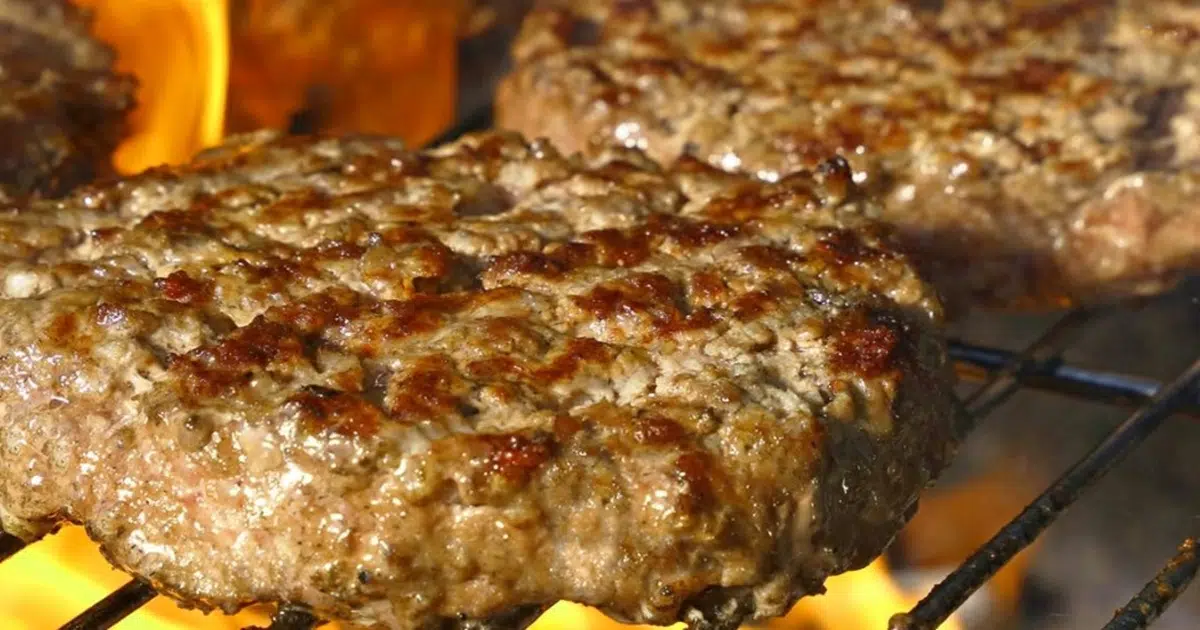
Learning how to grill burgers seems almost too easy. You shape the patties, fire up the grill, and wait for dinner. At least, that’s how I approached it when I first started grilling. Sometimes the burgers were great, but other times they came out dry, unevenly cooked, or shrunk into thick little hockey pucks. It took me a while to realize that burgers aren’t difficult to make. They’re just unforgiving when you skip the basics. Once I paid more attention to the meat, the grill temperature, and the cooking time, everything became much more consistent. If you’re after juicy burgers with plenty of flavor, a few simple habits can make all the difference.
Start With the Right Ground Beef
If I could give only one piece of advice, it would be to buy the right ground beef.
For grilled burgers, 80/20 ground beef is usually the sweet spot. The 20% fat keeps the patties moist while adding plenty of flavor as they cook. Some people automatically reach for leaner beef because it sounds healthier, but I’ve found that extra-lean meat dries out much faster, especially if you accidentally leave it on the grill a minute too long.
Another mistake I made early on was treating the ground beef almost like bread dough. I kept mixing and squeezing it until every patty looked perfect. The result? Dense, firm burgers instead of tender ones.
Now I handle the meat as little as possible. I gently form each patty, making it slightly larger than the bun since burgers naturally shrink during cooking.
Before they go on the grill, I press a shallow indentation into the center with my thumb. It looks like a tiny detail, but it helps keep the burgers flatter instead of puffing up in the middle.
Prepare the Grill Properly
A properly heated grill makes cooking much easier.
I always preheat my grill to medium-high heat, somewhere around 400°F to 450°F. If the grill isn’t hot enough, the burgers can stick to the grates and won’t develop that flavorful crust.
Before cooking, I clean the grates with a grill brush while they’re heating. It only takes a minute, and it’s much easier than scraping off burnt food after dinner.
Next comes a light coating of oil. I don’t pour oil directly onto the grill. Instead, I lightly oil the grates using a paper towel held with tongs. That’s usually all you need.

Whether you grill burgers on a gas grill or grill burgers on a charcoal grill, you’ll mostly cook them over direct heat. If you notice large flare-ups, simply move the burgers to a cooler section of the grill for a minute before returning them to the direct heat.
I also keep the lid closed as much as possible. The grill holds its temperature better, and the burgers cook more evenly from top to bottom.
How Long to Grill Burgers
Cooking time depends on several factors, including the thickness of your patties, the grill’s temperature, and how you like your burgers cooked.
These burger grilling times are a good starting point.

These times are only estimates. Every grill cooks a little differently, and thicker patties naturally need more time.
That’s why I stopped relying only on the clock. An instant-read thermometer removes all the guesswork and tells you exactly when the burger has reached your preferred burger internal temperature.
Understanding Burger Doneness
Everyone has their favorite level of burger doneness, and knowing what each one means makes grilling much less stressful.
Rare
Rare burgers have a cool, bright red center and are extremely juicy. While some people enjoy them, rare ground beef generally isn’t recommended because bacteria can be mixed throughout the meat during grinding.
Medium Rare
Medium rare burgers have a warm red center and remain very juicy. This doneness is popular for steaks, but it’s less common for burgers because of food safety concerns associated with ground beef.
Medium
A medium burger has a warm pink center with plenty of moisture left inside. For many people, this is the best balance between tenderness and a higher burger internal temperature.
Medium Well
Medium well burgers have just a slight hint of pink remaining. They’re firmer than medium burgers but can still be flavorful when cooked carefully.

Well Done
Well done burgers are cooked completely through with no pink remaining. The USDA recommends cooking ground beef to an internal temperature of 160°F. A thermometer makes reaching that temperature much easier without accidentally overcooking the burgers.
Extra Tips for Juicy Burgers
Some of the best grilling advice I’ve picked up over the years has nothing to do with expensive grills or fancy equipment.
Don’t press the burgers with a spatula while they’re cooking. I know it looks satisfying when the juices hit the flames, but those are the same juices you’d rather keep inside the burger.
Try flipping each burger only once. Constant flipping usually doesn’t help and can keep the burgers from developing a nicely browned crust.
Leave the patties alone while they’re cooking. Sliding them around the grill every minute interrupts the searing process.
If you’re making cheeseburgers, place the cheese on top during the final minute of cooking and close the lid. The trapped heat melts it perfectly.
One thing I learned the hard way was not to serve burgers immediately after taking them off the grill. Giving them three to five minutes to rest helps the juices settle back into the meat instead of running onto the plate.
I almost always toast the buns for about a minute while the burgers are resting. It’s a tiny step, but it adds texture and helps keep the buns from getting soggy.
Season the patties with salt and pepper just before they go on the grill. Salting too early can draw moisture out of the meat.
And if I could recommend just one tool, it would be an instant-read thermometer. Since I started using one, my burgers have been far more consistent because I’m no longer guessing when they’re done.

Common Burger Grilling Mistakes
A few small mistakes can undo all your hard work.
Cooking directly over large flames instead of steady heat often burns the outside before the center is finished. Very lean ground beef can dry out quickly, while flipping the burgers over and over prevents a good crust from forming. Unless the burgers are specifically designed for frozen cooking, it’s usually better to thaw them first. Finally, don’t skip the resting time. Those few minutes really do make a difference.
Enjoy Better Burgers Every Time
Once I stopped overthinking burgers and focused on a handful of simple techniques, grilling became much more enjoyable. Knowing how to grill burgers really comes down to choosing the right ground beef, keeping the grill at the proper temperature, paying attention to burger grilling times, and checking the burger internal temperature instead of guessing. Avoid a few common mistakes, and you’ll end up with juicy, flavorful burgers that are worth looking forward to all summer long.


