You probably don’t need me to tell you that over the past number of years, bee populations have been on the serious decline. Even if this news doesn’t seem important to you at first, it should be. Bees are extremely important pollinators that are responsible for much of the produce that ends up in grocery stores. Without bees, there will be a serious shortage in food production. And I think it goes without saying that this is a huge issue.
What’s Causing the Decline?
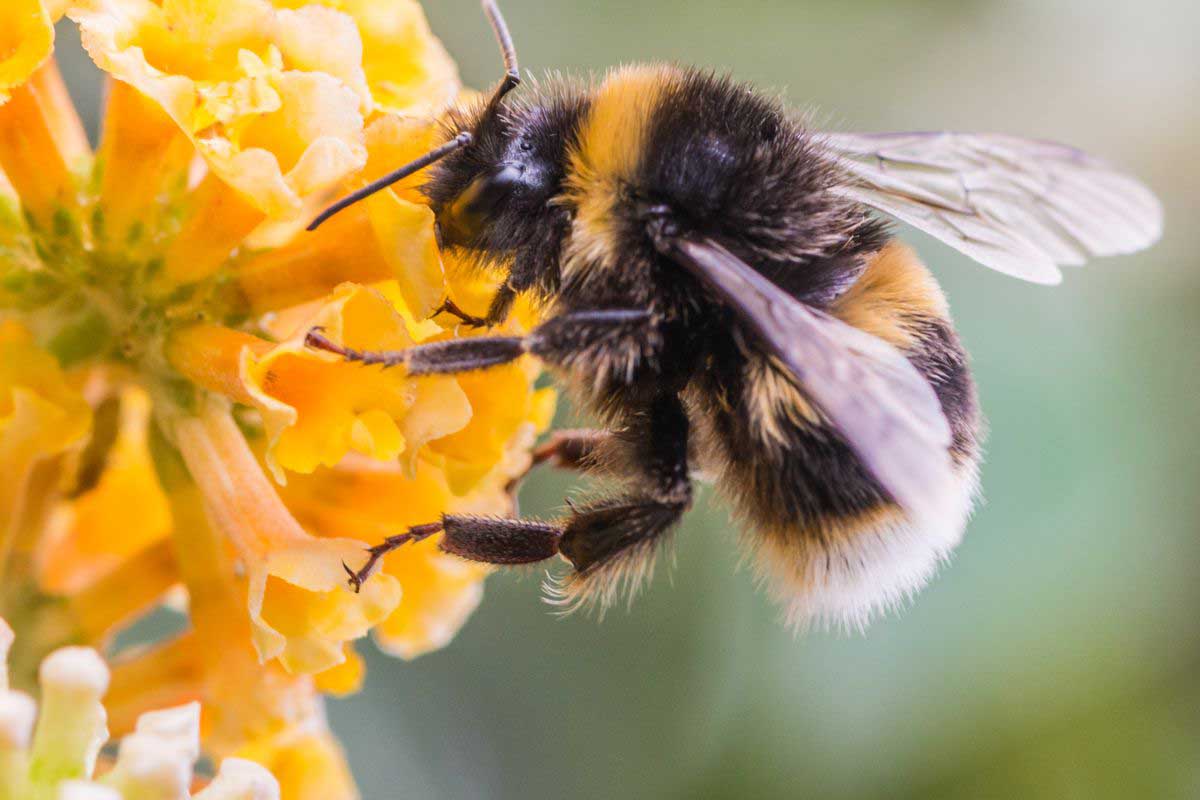
Bee populations have been steadily declining, primarily due to pesticide use and growing mite populations. Fortunately, there are several ways to support them—like planting some of their favorite flowers in your garden: lavender, crocuses, sunflowers, zinnias, coneflowers, lilacs, and snapdragons. Additionally, you can avoid using pesticides and other harsh chemicals in and around your garden. And there’s one more thing – you can make your own beehive!

A Sweet Solution: DIY Beehives
Not only is a DIY beehive an excellent way to encourage bee populations, but as a bonus, you’ll also end up with your own supply of organic honey! Angie Barnes of Boredom Therapy shows us just a few simple steps towards making your own hive.
How to Build a Simple Beehive
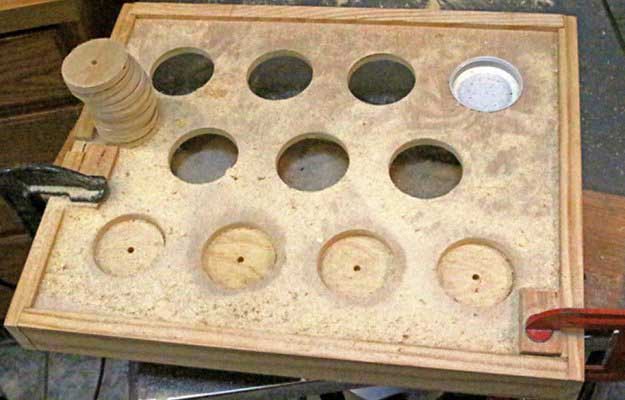
Basically, all you need to do is make a few cuts in some plywood to create a simple frame for your beehive. Glass mason jars will rest atop of those drilled-out holes.

You’ll ultimately end up with a few rows of mason jars atop a box-like structure. Then, you just have to place some starter strips or empty combs into the jars to encourage bees to begin producing honey.
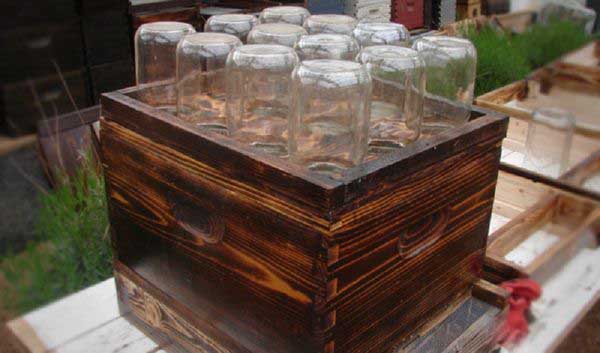
You’ll be amazed at how quickly bees will begin working within the jars. And they produce honey at such a fast rate! It’s a total win-win situation.

Click here for the full list of step-by-step instructions from Boredom Therapy. With a few hours of your time, you can have your very own beehive and ongoing source of honey, and feel confident knowing that you’re doing your part to support our vitally important bee populations.
Doing your part to save the bees? Let’s take it a step further. Learn how to respond when you encounter traveling bees.